Published: 15 August 2024
Last updated: 15 August 2024
Iran vowed revenge at the end of last month after Hamas chief Ismail Haniyeh was killed in Tehran, leading many in Israel to fear an imminent attack. Nearly two weeks have passed, and no large-scale response has materialised, leaving Israel and the wider Middle East on edge.
A spokesman for Iran’s Foreign Ministry, Nasser Kanaani, said that “it is necessary to punish Israel,” echoing comments from other senior Iranian officials. But he also said that “Tehran is not interested in escalating the regional conflicts”.
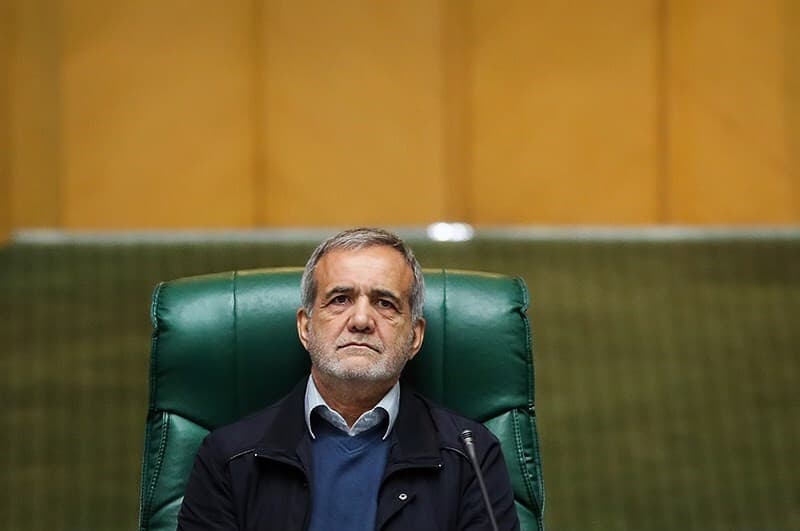
The crisis comes at an especially delicate moment in Iran. Iran has a new president Masoud Pezeshkian and his cabinet, including the foreign minister, is yet to be approved.
Pezeshkian, who is seen as a reformist, may try to balance a perceived need to project strength with his government’s broader interest in alleviating the effects of Western economic sanctions and in preventing Iran from becoming further isolated internationally, said Sanam Vakil, a Middle East analyst at Chatham House.
“The response has to be carefully calibrated so as not to slam shut the door of negotiations with the West that could lead to potential sanctions relief.”
A military response that is viewed as largely symbolic is also risky from Tehran’s perspective, but it would be unlikely to deter Israel from conducting further attacks, said Ali Vaez, the Iran project director of Crisis Group.
That leaves the option of a substantive response, but that would, in turn, likely provoke a bigger Israeli response — and Tehran would not be able to control the cycle of escalation that could follow.


Comments
No comments on this article yet. Be the first to add your thoughts.