Published: 7 February 2023
Last updated: 5 March 2024
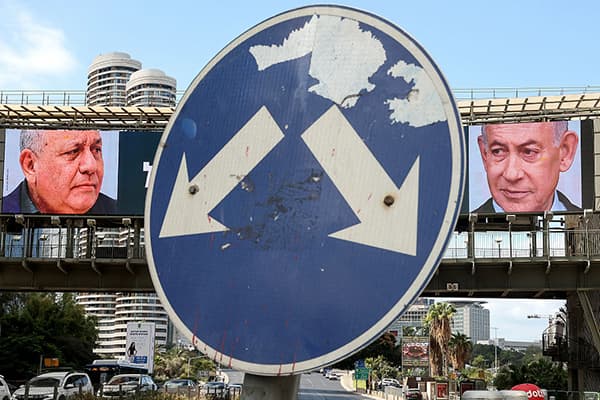
JEREMIE BRACKA explains why the Knesset’s plan to grant itself absolute power over the judiciary would unleash a constitutional assault and ‘democratic death by a thousand cuts’.
In 2010, I had the enviable privilege of clerking at the Israeli Supreme Court. As an international law shlepper, I bore witness to navigation of the most politically contentious and sensitive issues facing a nation.
Since the 1990s, the court has earned a reputation for preserving the rule of law, even amid terrorism. In the words of former president of the court, Aharon Barak: “This is the fate of democracy, as not all means are acceptable to it ... Sometimes, a democracy must fight with one hand tied behind its back. Nonetheless, it has the upper hand.’”
So concluded his landmark ruling on torture in 1994. The case ceremoniously outlawed routine, pre-authorised use of torture methods against suspected terrorists. Such judgments and others, instil a deep respect for Israel’s judiciary. Its ability to restrain government and define the lawful boundaries of Western civilisation is commendable.
Democratic doorstop
So, too, is the volume of cases that reach Jerusalem. Unlike formidable barriers that exist in appealing to other benches, Israel’s Supreme Court can hear legal matters from the start when it sits as the High Court of Justice. To this end, Israeli judges are called on, often at a moment’s notice, to review public decision-making, Knesset legislation and even the conduct of Israel’s Defense Forces (IDF) in real time.
Thus, in May 2010, when the Mavi Marmara Flotilla docked in Gaza, I was up all night preparing a brief to the judges before they heard petitions against the Israeli navy’s raid that killed 10 activists. This is unique to Israel and reflects the role of the court in democratic governance. The Supreme Court is also the very institution lauded by the nation’s advocates in the international legal arena. As far as democratic stock goes, Israel’s court is its most valued asset.
The override clause would radically tip the balance of power in a fragile and inadequate political system.
![[[:fr:Fez (coiffure)|Fez]] rouge à gland noir, en feutre.](/_next/image/?url=https%3A%2F%2Fjewishindependent.yourcreativeagency.com.au%2Fwp-content%2Fuploads%2F2026%2F10%2Ffez-cap-eisenkot-netanyahu.jpg&w=3840&q=75)