Aa
  • Read, Watch, Listen
  • TJI Series
  • Community Action
  • Events
  • Zedi
Follow us and continue the conversation
  • LinkedIn
  • Instagram
  • FaceBook
  • X
  • YouTube
Test yourself with the TJI Quiz!

Adjust size of text

Aa

Follow us and continue the conversation

  • LinkedIn
  • Instagram
  • FaceBook
  • X
  • YouTube

Your saved articles

You haven't saved any articles

What are you looking for?

Original reporting, insightful analysis and diverse views, delivered straight to your inbox

  • LinkedIn
  • Instagram
  • FaceBook
  • X
  • YouTube
Your support fuels our mission to inform, entertain and inspire.

The Jewish Independent is bound by the Standards of Practice of the Australian Press Council. If you believe the Standards may have been breached, you may approach The Jewish Independent or make a complaint to the Australian Press Council in writing at www.presscouncil.org.au. The Council may also be contacted on 1800 025 712.

  • Our Story
  • Contact us
  • Our Team
  • Support us
  • Guidelines
  • Pitch your idea
  • Republishing us
  • Community Action
  • Our Awards
  • LinkedIn
  • Instagram
  • FaceBook
  • X
  • YouTube
Aboriginal FlagTorres Strait Islanders Flag

The Jewish Independent acknowledges Aboriginal and Torres Strait Islander peoples as the Traditional Owners and Custodians of Country throughout Australia. We pay our respects to Elders past and present, and strive to honour their rich history of storytelling in our work and mission.

© The Jewish Independent 2026All Rights Reserved
Website design and development by Your Creative, MelbourneTerms & ConditionsPrivacy Policy
HomeRead, Watch, ListenIsrael
Israel Hamas WarNewsIsrael

A million Israelis demonstrate as Netanyahu resists hostage-ceasefire deal

Hamas may release half the hostages in return for a 60-day ceasefire, but Netanyahu is still insisting on full military victory.
TJI Wrap
Print this
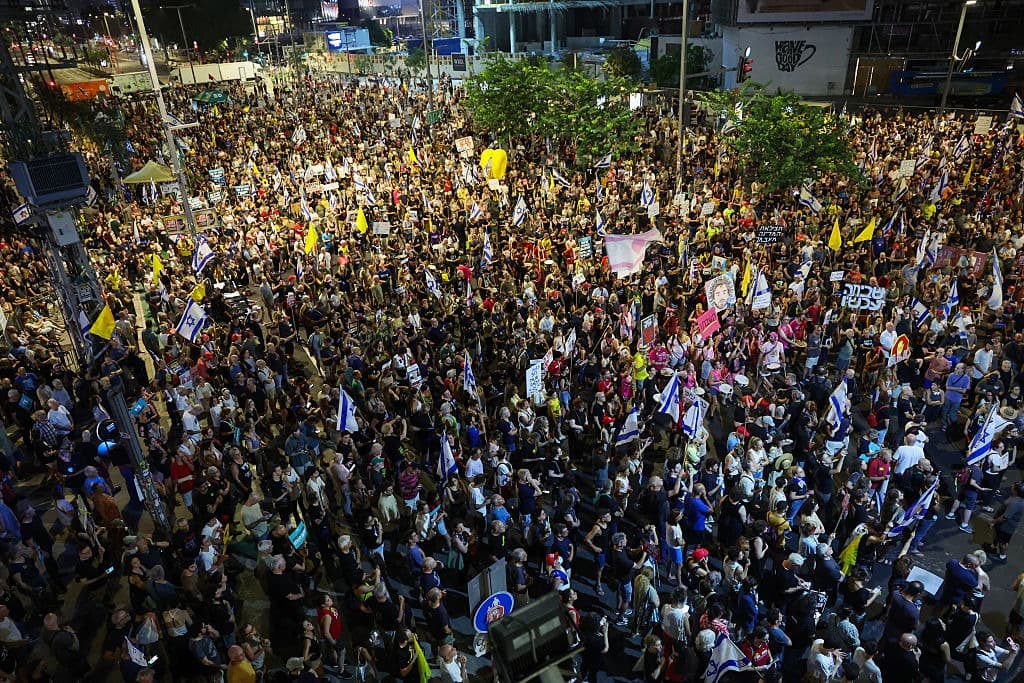
Massive crowds seen from above

Massive crowds call for action to secure hostage release at Hostages Square in Tel Aviv on August 16, 2025. (JACK GUEZ/AFP via Getty Images)

Published: 19 August 2025

Last updated: 20 August 2025

Israel's Prime Minister Benjamin Netanyahu is facing increasing pressure to agree to a ceasefire amid mass demonstrations and reports that Hamas has offered to return half the hostages still held in Gaza in exchange for a 60-day ceasefire and Israel’s release of some Palestinian prisoners.

Of the 240 hostages kidnapped by Hamas on October 7, 50 remain in captivity, but only about half of those are believed to be alive.

Senior Hamas figure Mahmoud Mardawi signalled openness to the proposal, stating: “Today Hamas opened the door to the possibility of reaching an agreement, but the real test is whether Prime Minister Netanyahu will not return to close it again as he did in the past.”

Israelis are showing widespread support for a deal, with an estimated million demonstrators turning out last Sunday to support a ceasefire in return for hostage release.

Netanyahu, however, continues to emphasise military victory over Hamas as the only guarantee of hostage release. Visiting IDF forces in Gaza, he praised their progress and insisted Hamas was under “atomic pressure”. Defence Minister Israel Katz said defeating Gaza City — Hamas’s political and military hub — was key to forcing surrender and securing the hostages’ freedom.

Finance Minister Bezalel Smotrich rejected any partial deal as surrender, warning against “abandoning half of the hostages” in exchange for ending the war without victory.

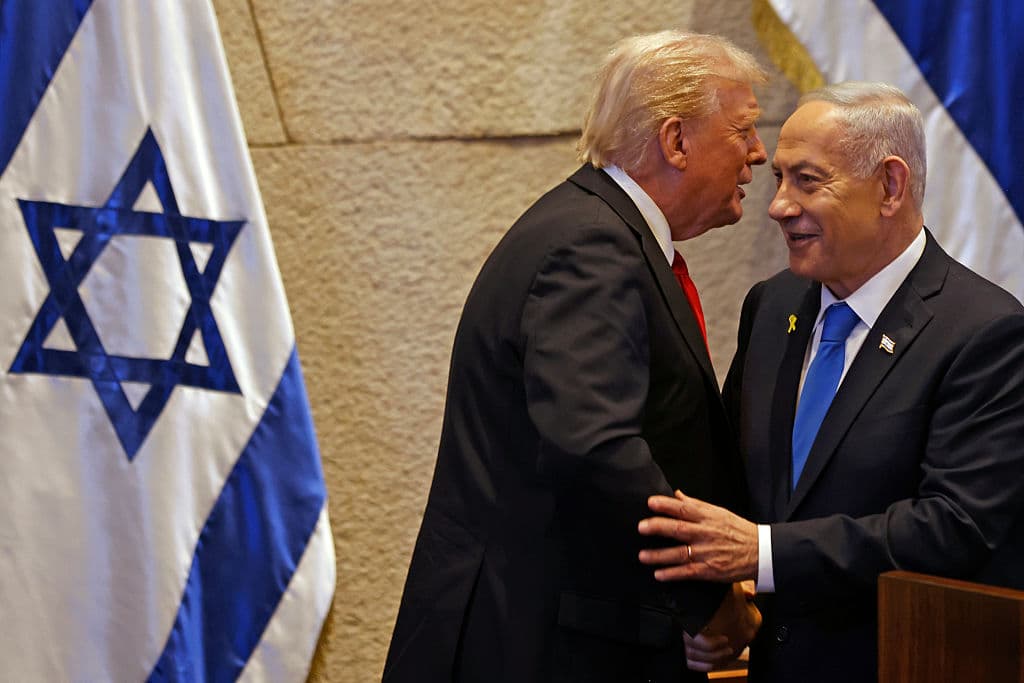
The US administration is reported to have been impressed by the massive protests and requested additional footage to “clearly see the scale of Israeli mobilisation”.
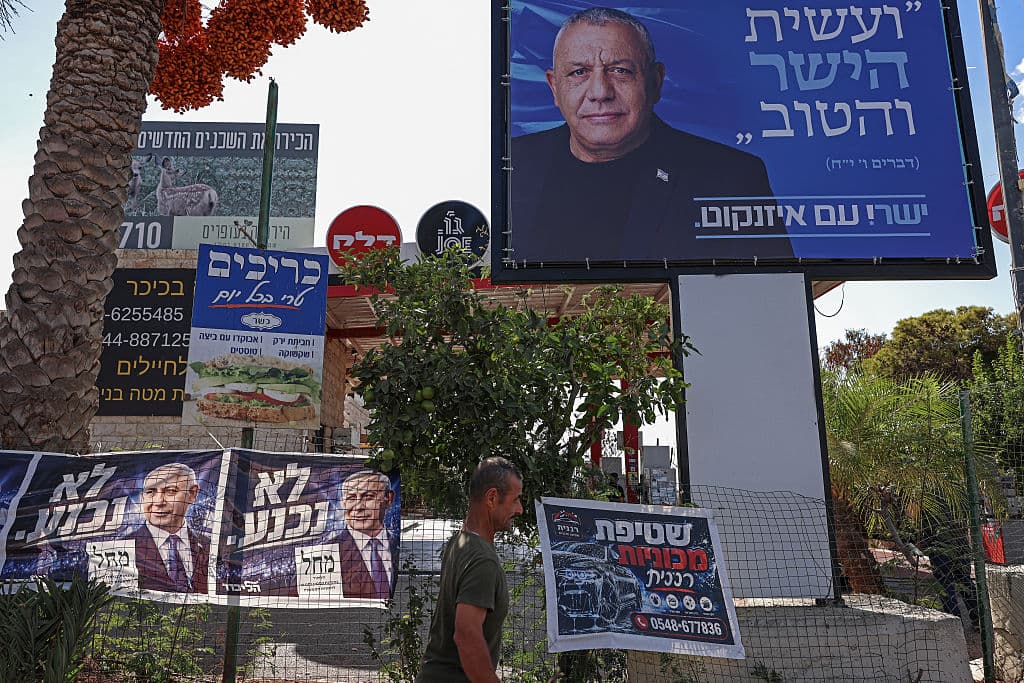
The competing pressures — Hamas’s conditional signals, families’ pleas for an immediate deal, the government’s insistence on total military defeat, and international calls for decisive action — leave Israel at a critical juncture.

Massive Israeli demonstrations

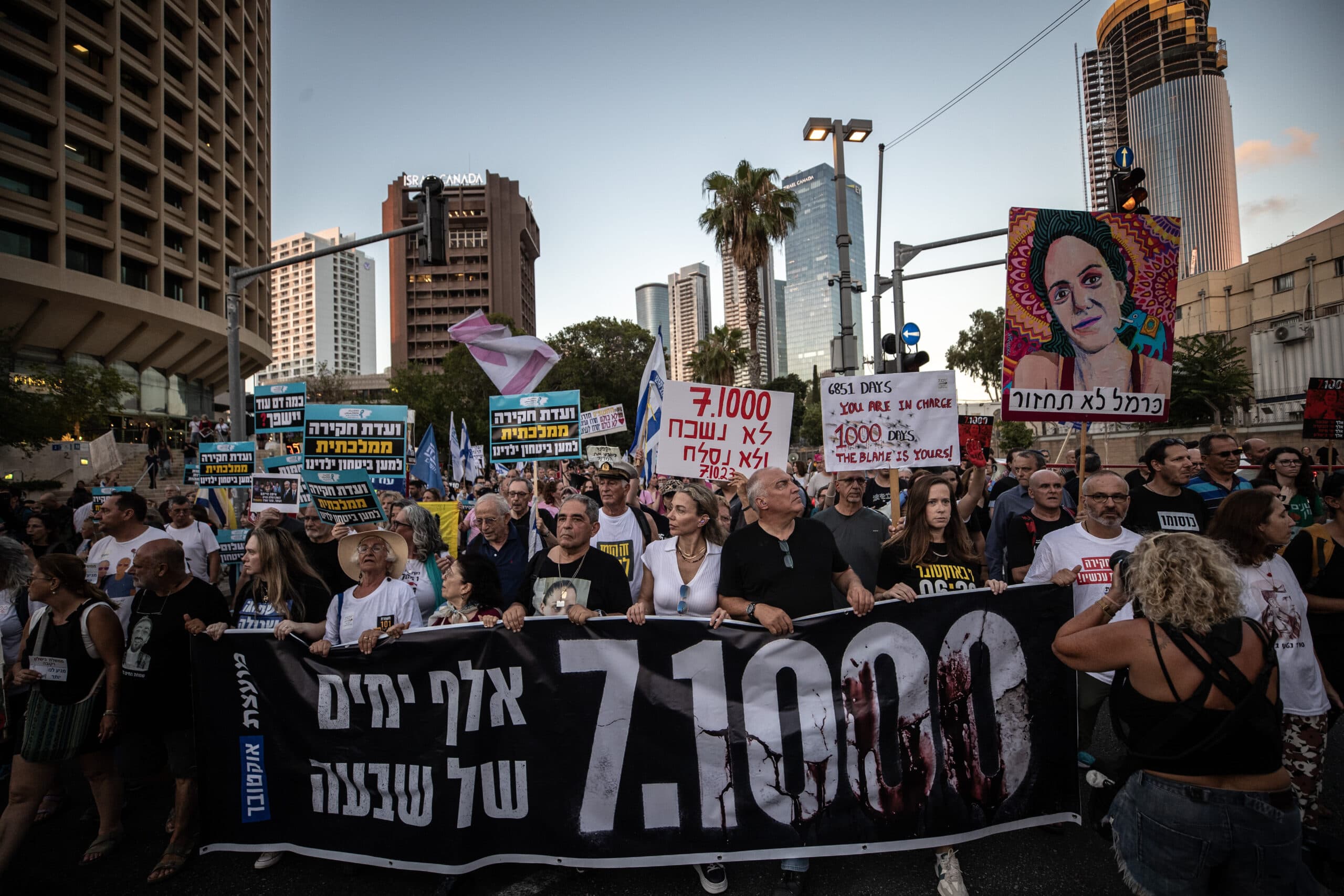
In one of the largest demonstrations since the Gaza war erupted nearly two years ago, Israel was brought to a standstill on Sunday as protesters blocked major roads, shut businesses, and staged mass rallies in cities nationwide.

Organisers said one million Israelis took part in demonstrations across the entire country, with more than 500,000 in Tel Aviv alone.

A nationwide grassroots strike swelled throughout the day, with demonstrators demanding the government secure the release of the hostages still held in Gaza. Crowds gathered outside ministers’ homes, while hundreds of municipalities, universities, businesses and technology firms announced they were joining the strike or allowing staff to take part. The Histadrut, Israel’s central labour union, declined to formally participate, but its leader Arnon Bar-David visited Hostages’ Square in Tel Aviv to express solidarity.

The day of action began at 6:29am — the exact time Hamas launched its deadly assault on 7 October 2023 — and organisers claimed more than one million people joined hundreds of demonstrations across the country.

By afternoon, police reported 38 arrests as activists clashed with officers trying to reopen blocked streets. Outside Jerusalem, riot police used a water cannon to disperse demonstrators who had occupied a tunnel on Route 16 leading to the capital. In Tel Aviv, 11 people were arrested after police accused them of “violating public order and significantly impairing freedom of movement.”

Families declare “emergency break”

In the morning, relatives of hostages, alongside the October Council representing bereaved families, held a press conference in Tel Aviv to announce an “emergency break” until the hostages are released.

“Today, we stop everything to save the lives of 50 hostages and soldiers. Today, we stop everything to remember the supreme value of the sanctity of life,” said Anat Engrest, whose son Matan is held in Gaza.

The day’s peak came in the evening at Hostages’ Square in Tel Aviv, now the symbolic heart of the hostage movement. Organisers estimated more than 300,000 protesters packed the square and surrounding streets, though police issued no official figures. After speeches, hundreds marched to the nearby Likud headquarters, where they lit a bonfire and clashed with police. Officers prevented protesters from reaching the entrance of the Metzudat Ze’ev building. Videos posted online showed police scuffling with demonstrators who beat drums and chanted anti-government slogans.

At the start of the main rally at Hostages’ Square, organisers released a video clip of captive Matan Zangauker. The video, said to have been recorded months earlier in Gaza, was recently obtained by the Israeli military and released by his mother, Einav, as part of the intensifying campaign to free the hostages.

In the footage, Zangauker, with a shaved head, addresses his sisters and partner, Natali, who was kidnapped with him from Kibbutz Nir Oz and released after 50 days in November 2023. “Tatu (Natali), Shani, Ilana – I miss you, and God willing, we’ll meet soon. To all my acquaintances, all my friends – go out and make noise like only you know how,” he says.

After the video was screened, Einav Zangauker addressed the crowd: “Your quiet gaze at the end of the video accompanies me as I toss and turn at night. My soul burns with longing; it burns that I cannot hug you, hear you, and hold you.”

She criticised the government’s handling of the crisis, declaring: “They have turned the most just war into a futile war. If Netanyahu wants an agreement, let him put a comprehensive proposal on the table and agree to it; otherwise, he is simply lying.”

Eli Sharabi: “worth ten meals”

Former hostage Eli Sharabi, who will visit Australia shortly as a guest of JNF, said that witnessing demonstrations from captivity was “worth ten meals”. Sharabi’s wife, Lianne, and their daughters Noiya and Yahel were murdered on 7 October.

Released in an emaciated condition, Sharabi told Channel 12 that the knowledge of public support gave him and fellow hostages strength. “It warms the heart. It’s amazing. I wasn’t exposed to any media for 16 months, but when I came out and they showed me what people in Israel had done for the hostages and their families, it warmed my heart,” he said.

Sharabi recalled how his captors manipulated him by claiming his wife and daughters had spoken at rallies, yet even this falsehood gave him strength. “Just the knowledge that someone was fighting for me outside gave us tremendous strength. That strength was worth ten meals. Ten meals of a quarter of pita bread a day.”

Netanyahu’s cynical response

Netanyahu said in a cabinet meeting on Sunday morning that the protests “guarantee that the atrocities of October 7 will be repeated” and make hostage release less likely. He warned that the rallies ensured IDF soldiers “will have to keep fighting again and again in a forever war.”

“To advance the release of the hostages and guarantee Gaza will never again pose a threat to Israel, the job must be finished and Hamas defeated,” he said.

Government talking points circulated to ministers and journalists claimed protests had always hardened Hamas’ positions, delaying potential deals. Haaretz commentator Yossi Verter described this assertion as “an utter lie,” arguing Hamas had become entrenched primarily because of the success of its so-called “famine campaign” and the wave of unprecedented international criticism after Israel decided to occupy Gaza City.

Finance Minister Bezalel Smotrich, followed Netanyahu’s ‘talking points’ and posted on X that Israel was waking up to “an evil, damaging campaign that plays into Hamas’ hands and buries the hostages in the tunnels.” He said the protests also sought to force Israel “to surrender to its enemies and endanger the state’s security.”

Likud MK Hanoch Milwidsky, under investigation for rape allegations, labelled the protests “riots supporting Hamas.” Culture Minister Miki Zohar said the disruption to daily life was “a reward for the enemy, who sees the pictures and revels in joy.”

National Security Minister Itamar Ben-Gvir accused demonstrators of encouraging draft refusal and weakening Israel “just as before October 7,” while Transport Minister Miri Regev accused them of “burning roads and damaging infrastructure.” Heritage Minister Amichai Eliyahu claimed there was “a yawning gap between grieving families, whose pain clouds their judgment, and cynical anarchists exploiting that pain.”

The ‘beautiful six’ shadow

Despite weekly protests, the last time such numbers filled the streets was in September 2024, after the murder of six hostages by Hamas in Rafah, Amir Tibon noted in Haaretz . Dubbed “The Beautiful Six,” they were executed as Israeli soldiers advanced on the tunnel where they were being held.

Among them was Hersh Goldberg-Polin, whose parents became global figures in the hostage campaign. At his funeral, his father Jon adapted the traditional condolence “May their memory be a blessing” into “May your memory be a revolution.” The phrase remains a common protest slogan, often modified to “May your memory be a deal.”

For many Israelis, the deaths of The Beautiful Six exposed what they saw as Netanyahu’s greatest falsehood: that “only military pressure on Hamas will return the hostages.” In Rafah, military pressure directly contributed to their deaths. A negotiated deal, reached in time, could have saved them.

On Sunday, protesters recalled those deaths as they warned against Netanyahu’s reported plan to expand the war into areas where hostages are believed to be held. Tibon noted that this time, Israelis were acting before another calamity struck, not after.

The real question is what will happen on Monday. Will the momentum from this protest spill into more action, or will it be a one-time spectacle? "The lives of our hostages depend on that question,” Tibon concludes.

READ MORE

Hundreds of thousands demonstrate in Tel Aviv at end of nationwide day of hostage protests (Times of Israel)

US officials impressed by massive rally for hostages in Tel Aviv; images sent to Trump (Ynetnews)

As Israelis pleaded for the Gaza hostages, Netanyahu smeared protesters as Hamas sympathizers (Yossi Verter, Haaretz)

Israel's largest protest in over a year was a clear warning to Netanyahu. Will it matter? (Amir Tibon, Haaretz)

Hamas accepts Arab-mediated ceasefire deal as thousands flee Gaza City (The Age)

You might also like
  • Sanctioning settlements is a defence of Israel, not an attack
    Elisheva Madar
  • Sanctions must influence, not just perform disapproval
    Adam Slonim
  • ‘Israel is systemically eliminating Palestinian collective life’:  Israeli human rights report
    Deborah Stone
logomark.67a07ee3
We believe in the free flow of information

Republish our articles for free, online or in print, by using our Creative Commons licence

You might also like

    Erdogan Turkey
    AnalysisIsrael

    Turkey emerges as military threat to Israel

    Dror Doron
    Rozana Beit Oula
    PeacebuildingOpinionIsrael

    Peacebuilding through the eyes of a sceptic

    Ron Finkel
    ISRAEL-LGBTQ-PRIDE-PARADE-PALESTINIAN-CONFLICT-HOSTAGES
    NewsIsrael

    LGBT asylum seekers caught between Palestinian violence and Israeli bureaucracy

    Jarod Rhine-Davis

About the author

TJI Wrap

TJI Wrap

TJI wraps consolidate essential news and analysis from multiple sources into digestable summaries.

More from the author

NewsAustralia

War crimes allegations against Australian IDF soldier

NewsWorld

Wave of attacks on Jewish sites sparks international alarm

AnalysisIsrael

Gaza, Lebanon, Syria, Iran: Israel’s tense security landscape

AnalysisIsrael

Middle East on edge as Iran and Israel inch closer to another war

Comments

No comments on this article yet. Be the first to add your thoughts.