Published: 21 September 2021
Last updated: 4 March 2024
Shabtay Bendet used to throw stones at Palestinian cars; now he monitors illegal outposts. He tells Ben Lynfield why he changed paths and how to persuade the public to do the same
REIHAN SETTLEMENT, WEST BANK – It took more than a half hour of searching the rocky hillsides of the northern West Bank and a little luck, but Shabtay Bendet, the highly motivated monitor of settler activity for Peace Now, found what he was looking for.
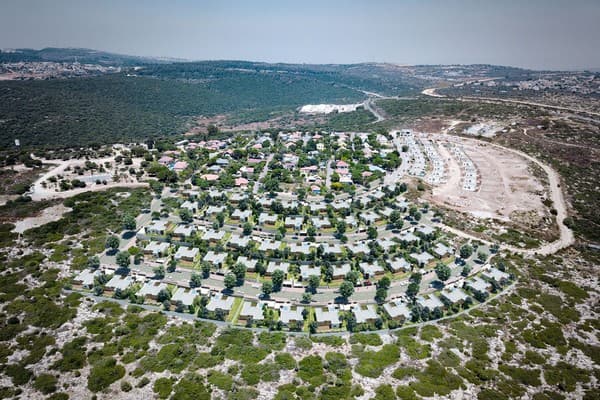
The settlers were away, but the tin cylinder, Israeli flag, penned in sheep, six structures and a tent all are part of one of the latest illegal and formally unauthorised settler outposts in the occupied West Bank. The settlers call it al-Naveh farm, a few kilometres away from the established Reihan settlement.
They see it as "redemption" of the land and a step towards the coming of the messiah that justifies breaking both Israeli and international law. Bendet, however, views the outpost as a manifestation of the occupation's disregard of Palestinian rights and humanity, something which, he worries, could one day lead to their expulsion
"If we continue to roll along with this conflict as it is, there is a possibility there will be an attempt to expel them," he says, agreeing with such predictions by other peace activists.
"But I have a more positive goal: ending the occupation and conflict. That is where I am trying to get."
More than anyone else on the Israeli left, Bendet, 48, knows what he is talking about when it comes to the belief system of the hard core of messianic settlers, one of the most powerful groups in the country that often sways both the government and army.
In an earlier phase of his life, he used to be one of them, a true believer in Greater Israel. The softly spoken, casually dressed activist who smokes rolled cigarettes as he steers his black Subaru through the dirt paths on the outer perimeter of settlements, recording all visible new construction, was something of a pioneer and local leader in the old days. In 1996, he helped consolidate the West Bank's first settlement outpost, Rachelim, south of Nablus.