Published: 19 May 2023
Last updated: 13 March 2024
ITTAY FLESCHER assesses Israeli and Palestinian coverage of recent violence between Israel and Gaza and explores how the media could work differently to reduce conflict.
The media is not just a mirror of society. It is also the glasses through which see our world. During last week’s violence between Gaza and Israel, the media acted as a powerful lens that distorted and inhibited our ability to see the full picture.
Neither the Israeli nor the Palestinian media reported the violence in a manner that encouraged empathy with the other side of the conflict.
In Israeli media
On the Israeli news channels, there were almost 24/7 discussions with live updates on all developments. The panel experts were mostly comprised of middle-aged Ashkenazi men, many either in uniform or former generals. There were few Haredim or Arabs, and even fewer women or young people on most panels, which prevented the majority of Israelis from hearing the voices of these sectors representing more than half the population.
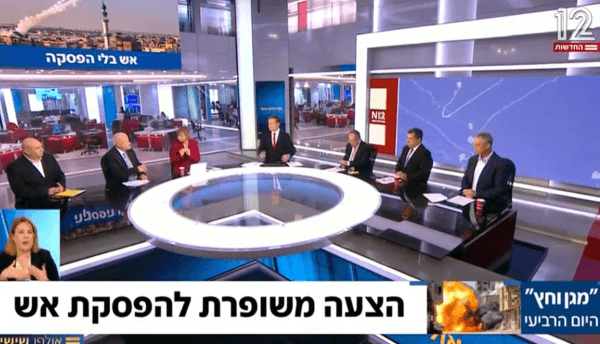
There was not a single interview on any of the stations with any Palestinians in Gaza. Palestinian Islamic Jihad (PIJ) leaders killed were named, with their photos and job descriptions, but there were no photos, personal stories, or interviews with family members of innocent civilians killed in Gaza.
The discussion on the Israeli news channels mainly praised the “resilience of residents bordering Gaza,” and the “pinpoint” or “surgical” strikes of the IDF.
Most commentators referred to Palestinian casualties as “incidental damage.” An exception was Labor MK Efrat Rayten who commented on photos of some of the victims, smiling Palestinian children holding school certificates, as “pictures that are hard to explain.”
![[[:fr:Fez (coiffure)|Fez]] rouge à gland noir, en feutre.](/_next/image/?url=https%3A%2F%2Fjewishindependent.yourcreativeagency.com.au%2Fwp-content%2Fuploads%2F2026%2F10%2Ffez-cap-eisenkot-netanyahu.jpg&w=3840&q=75)