Published: 14 May 2026
Last updated: 14 May 2026
Arab citizens’ participation in Knesset elections over the last two decades has declined significantly, remaining consistently below the national average and becoming one of the most important variables in Israeli politics. In 2020, when the Joint List projected relative unity and political momentum, Arab turnout climbed to roughly 65 per cent.
But following the fragmentation of Arab politics in subsequent elections, turnout collapsed to around 45 per cent before partially recovering to 53.2 per cent in the 2022 election. Even so, that figure remained below the decade average of 55.9 per cent, meaning that around half of Arab citizens still did not participate in Knesset elections. That history helps explain why Arab turnout remains so closely watched ahead of the next election.
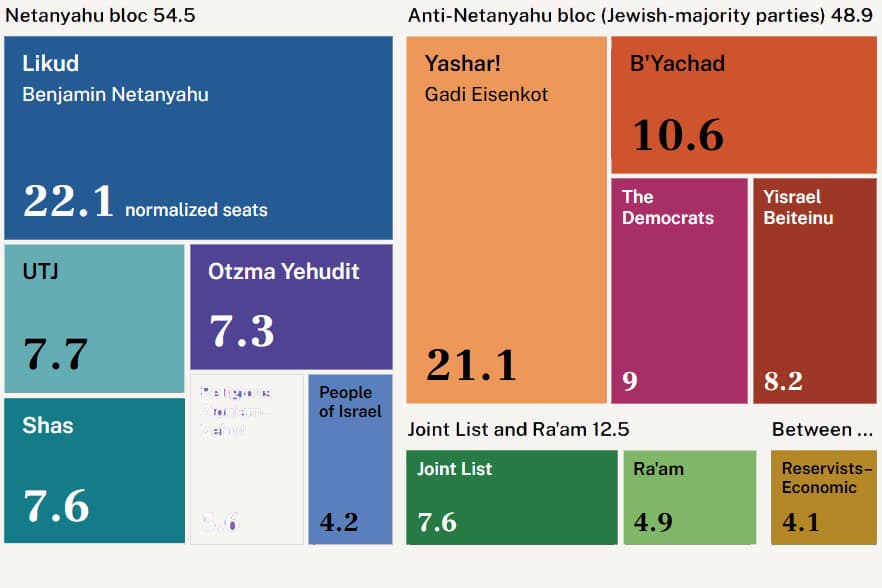
If turnout in Arab society rises significantly in the coming election, Benjamin Netanyahu’s chances of forming another government will become dramatically more difficult. If turnout remains low, the path for the right-wing bloc becomes far easier.
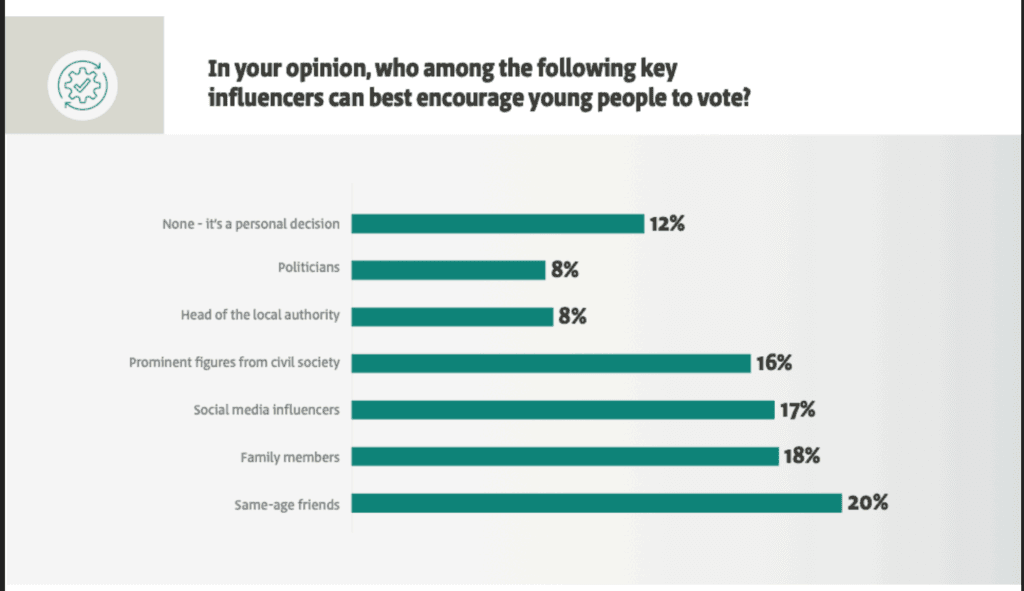
A new survey by the Afkar Research Institute offers an important glimpse into this political battleground by examining voting trends among young Arab citizens of Israel aged 18-34. Conducted in January 2026 among 614 respondents through telephone and digital interviews, the study attempts to answer one of the key political questions ahead of the next election: are young Arab citizens still willing to engage with Israeli politics?
The survey suggests that young Arab voters remain politically engaged, deeply affected by events around them and highly motivated by “real life issues”. They are also strongly motivated by the desire to replace the current Netanyahu-Ben Gvir government. But they are demanding something concrete in return for their participation.