Published: 26 January 2024
Last updated: 5 March 2024
Post-October 7 restrictions on Palestinians have left many unable to cross the checkpoint to work and scrambling to meet basic needs.
Israel is barring West Bank day labourers from returning to jobs they held inside the Green Line before October 7, causing significant deepending poverty in the occupied territory.
While international attention remains riveted on the humanitarian crisis in Gaza, the burgeoning economic crisis in the West Bank is going largely unnoticed.
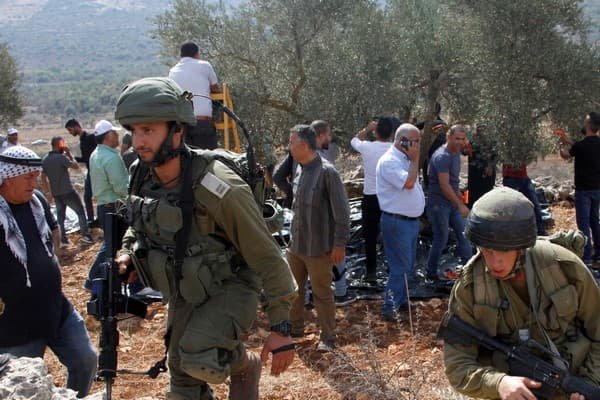
But the move towards greater impoverishment is highly significant. In addition to spreading suffering, it adds a new element of volatility in an area that is already simmering from anger at the carnage among fellow Palestinians in Gaza and from an aggressive and often deadly Israeli army posture which the IDF says is aimed at arresting Palestinian militants and thwarting attacks on Israeli targets.
In Husan, across the road from the illegal Beitar Ilit settlement in the southern West Bank, the economic crisis is impacting on all spheres of life, according to council head Jamal Sabatin. “The effects are severe. Those who have medical insurance can go to the clinic and get treated by the doctor but they have no money for medications,” he told The Jewish Independent in his office.
“People switch off their electricity for part of the day because they can’t afford to buy new cards. Most of our stores are closing because there are no purchases from those who worked in Israel.”
Israeli far-right opponents of letting workers back in say the rules of the game have changed since October 7, when approximately 1200 people, mostly civilians, were killed by Hamas, on the most traumatic day in Israeli history.