Published: 18 December 2025
Last updated: 18 December 2025
There are places a country tells itself stories about, as the writer Andrew Nagy beautifully expressed it.
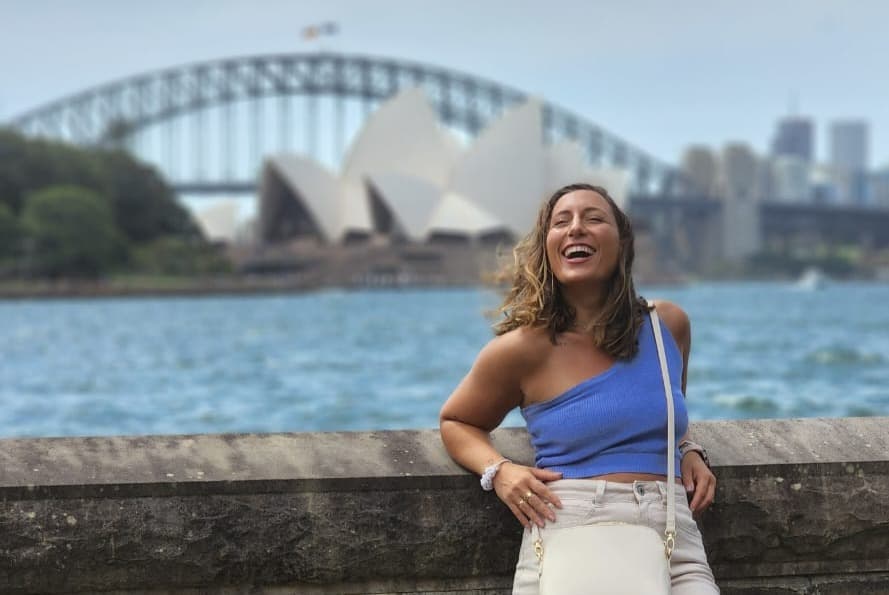
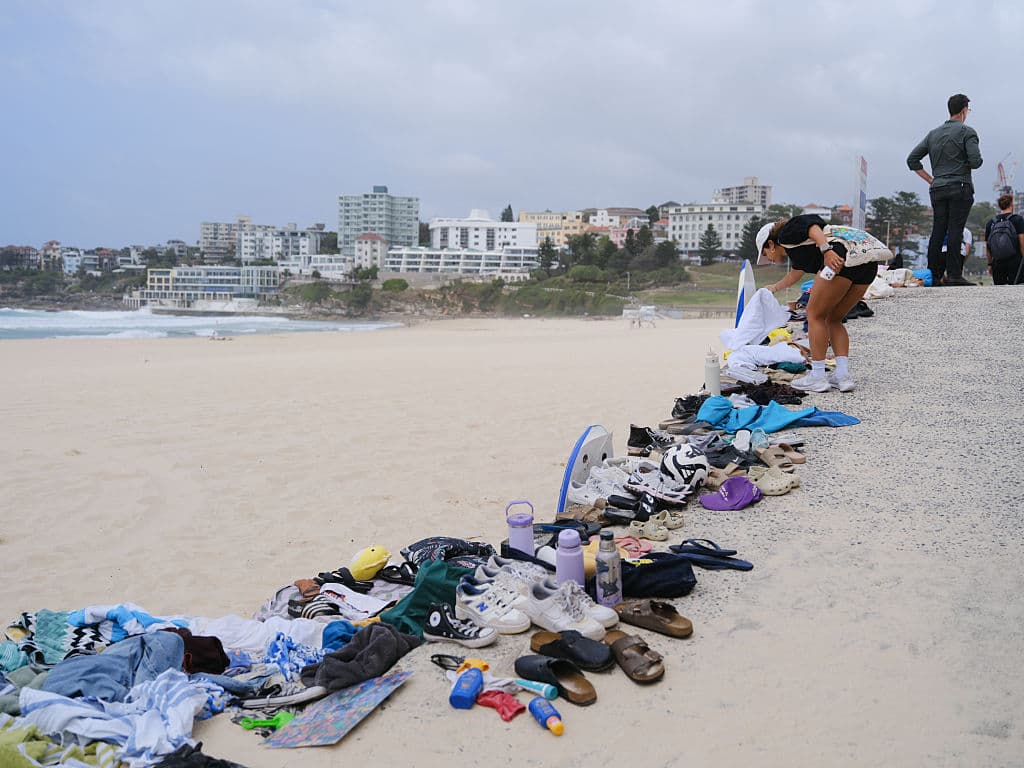
For Australia, Bondi is such a place. It is not just a beach. It is a shorthand. A promise made to itself and repeated until it feels like truth: sun, salt, bodies at ease in their own skin. The casual democracy of towels laid too close together. The idea that whatever horrors exist elsewhere, they have been held at bay by water, light, and distance.
Bondi represents Australia at its best. Beautiful, free, safe, attractive, great food, friendly barefoot humans enjoying the sun together, taking lots of selfies to share their joy with the world.
Over the past week, the world has seen Bondi like never before. We have been sitting shiva, the seven days of deep mourning, for 15 people who were murdered on this beach in a deliberate attack targeting Australian Jews celebrating Chanukah.
Of all their stories about these precious lives taken, the one that has rocked me to the core is that of Alexander Kleytman ז״ל, who survived the horrors of the Holocaust and then eight decades later was murdered on a beach in Australia for being Jewish.
In addition to mourning the victims, we are also mourning a place: we are sitting shiva for what Bondi used to represent.
From this week on, the first result on Google for Bondi will no longer be a surf report or cafe recommendation. Just as Port Arthur in Tasmania has become synonymous with the 1996 mass shooting, Bondi Beach will know be known as the site of an antisemitica massacre.