Published: 14 May 2026
Last updated: 14 May 2026
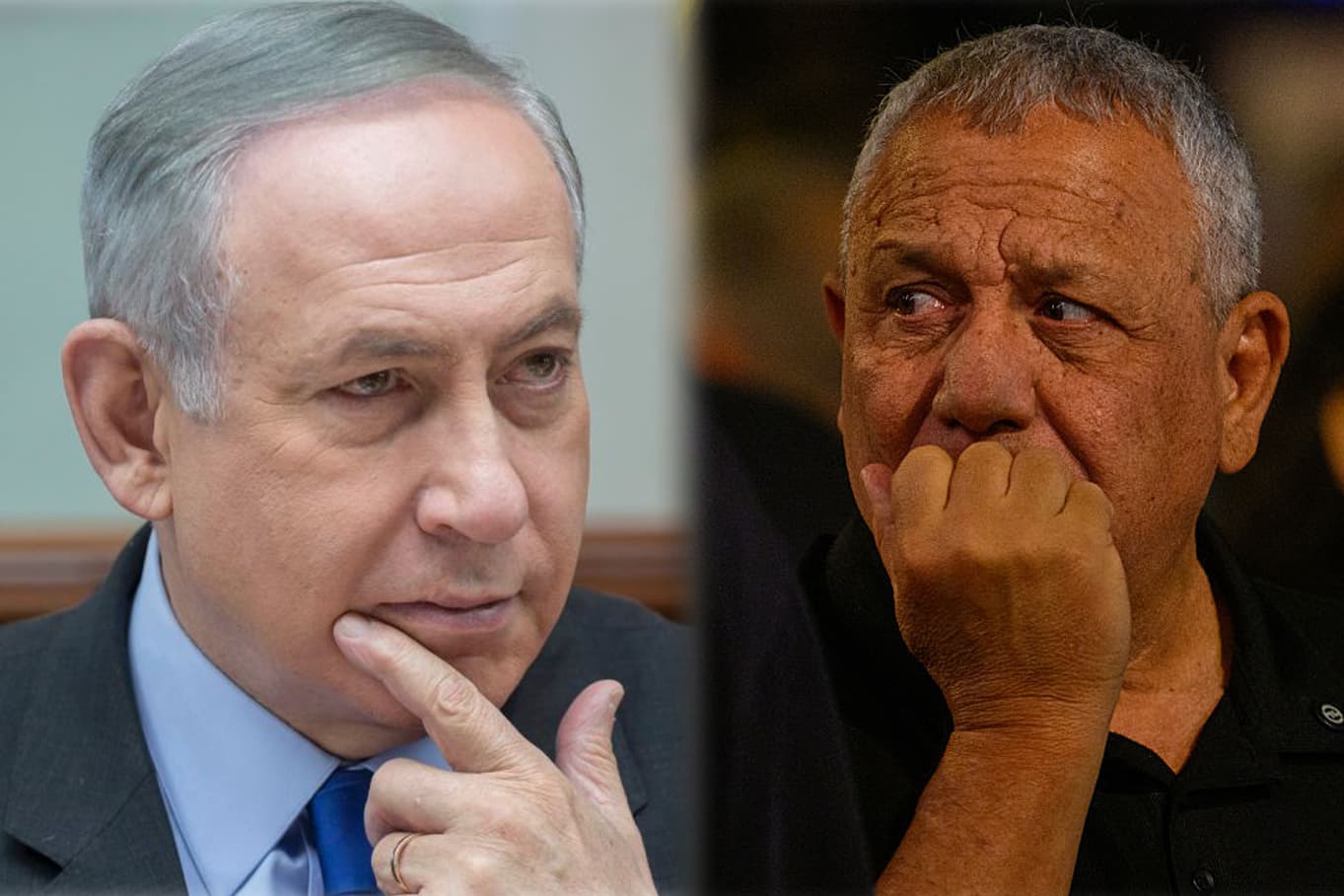
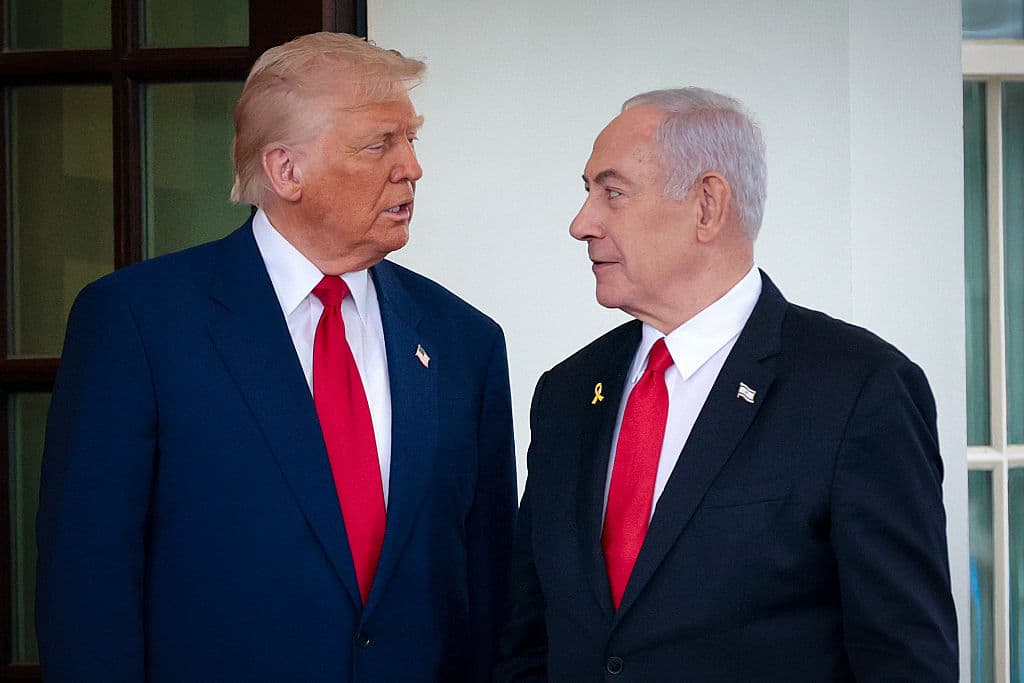
For months, Benjamin Netanyahu presented the war with Iran as the ultimate proof of his strategic doctrine: that sustained military pressure, combined with Donald Trump’s willingness to use force, could fundamentally reshape the Middle East. However, as negotiations between Washington and Tehran advance, and new intelligence assessments cast doubt on the war’s achievements, the Israeli prime minister is increasingly confronting a difficult political reality.
Instead of emerging from the conflict strengthened, Netanyahu now faces growing evidence that Iran retains much of its missile capability, that the regime remains intact, and that Trump may be moving towards a compromise deal, which leaves Israel dissatisfied. The result is a growing sense, reflected in the Israeli media, opposition criticism and even among Netanyahu allies – that the prime minister is losing leverage over the American president at precisely the moment he hoped to build an election campaign around the Iran war.
According to The Guardian, tensions between Washington and Jerusalem are no longer confined to rumours or diplomatic gossip. They are increasingly shaping the debate around the future of the war, Iran’s nuclear program and Netanyahu’s political survival.
The war that failed to produce a decisive outcome
A confidential CIA assessment reportedly delivered to US policymakers this week significantly undercut Benjamin Netanyahu’s narrative of victory. According to the assessment, first reported by The Washington Post, Iran still retains roughly 70 per cent of its ballistic missile arsenal and about 75 per cent of its mobile launchers, despite weeks of Israeli and American strikes.