Published: 25 July 2023
Last updated: 5 March 2024
Mass protests as the Netanyahu government blocks the court from overturning political decisions that it deems unreasonable.
After weeks of protests and mass public opposition that have roiled Israel and divided society, the Knesset has given its final approval to the first major bill to pass in the government’s judicial overhaul.
The law abolishes the reasonableness standard, giving Israeli politicians unprecedented power to pass legislation without judicial oversight.
The bill passed with 64 votes in favour and 0 against, after opposition MKs boycotted the final vote on the bill in protest.
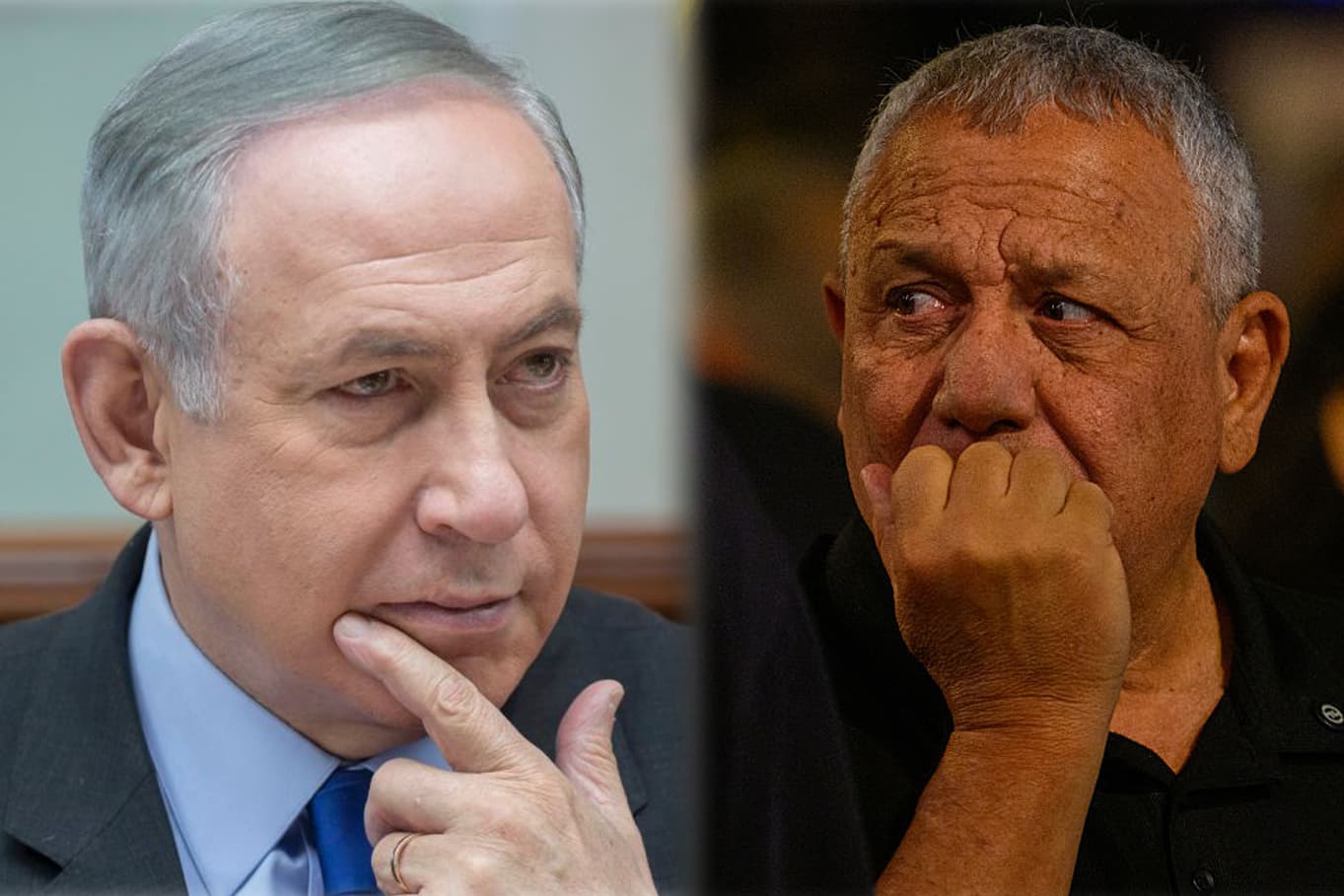
Within the Knesset, multiple last-minute attempts to amend the bill or to come to a broader procedural compromise with the opposition failed, and two compromise frameworks floated by a union leader and the president were rejected. A series of ideas for unilaterally softening the legislation, discussed by Prime Minister Benjamin Netanyahu and key coalition leaders even as the Knesset prepared to vote, led nowhere.
As the Monday night deadline approached, protest in Israel reached fever pitch. Unprecedented numbers of reservists threatened to refuse to serve, a doctors’ group warned that the law constituted a health emergency, and tens of thousands of protesters marched to Jerusalem.
Israel’s president Isaac Herzog warned that the schism could lead to civil war.
But Netanyahu forged ahead, choosing to stabilise his far-Right and ultra-Orthodox coalition, who want to restrict the powers of the Supreme Court, rather than appease the fury of more liberal Israelis, Diaspora Jews and the international community.
Protests and police violence
![[[:fr:Fez (coiffure)|Fez]] rouge à gland noir, en feutre.](/_next/image/?url=https%3A%2F%2Fjewishindependent.yourcreativeagency.com.au%2Fwp-content%2Fuploads%2F2026%2F10%2Ffez-cap-eisenkot-netanyahu.jpg&w=3840&q=75)