Published: 2 June 2023
Last updated: 5 March 2024
BEN LYNFIELD reports on how a mobile phone that refused to break exposed persecution of East Jerusalem Palestinian activist FAKHRI ABU DIAB.
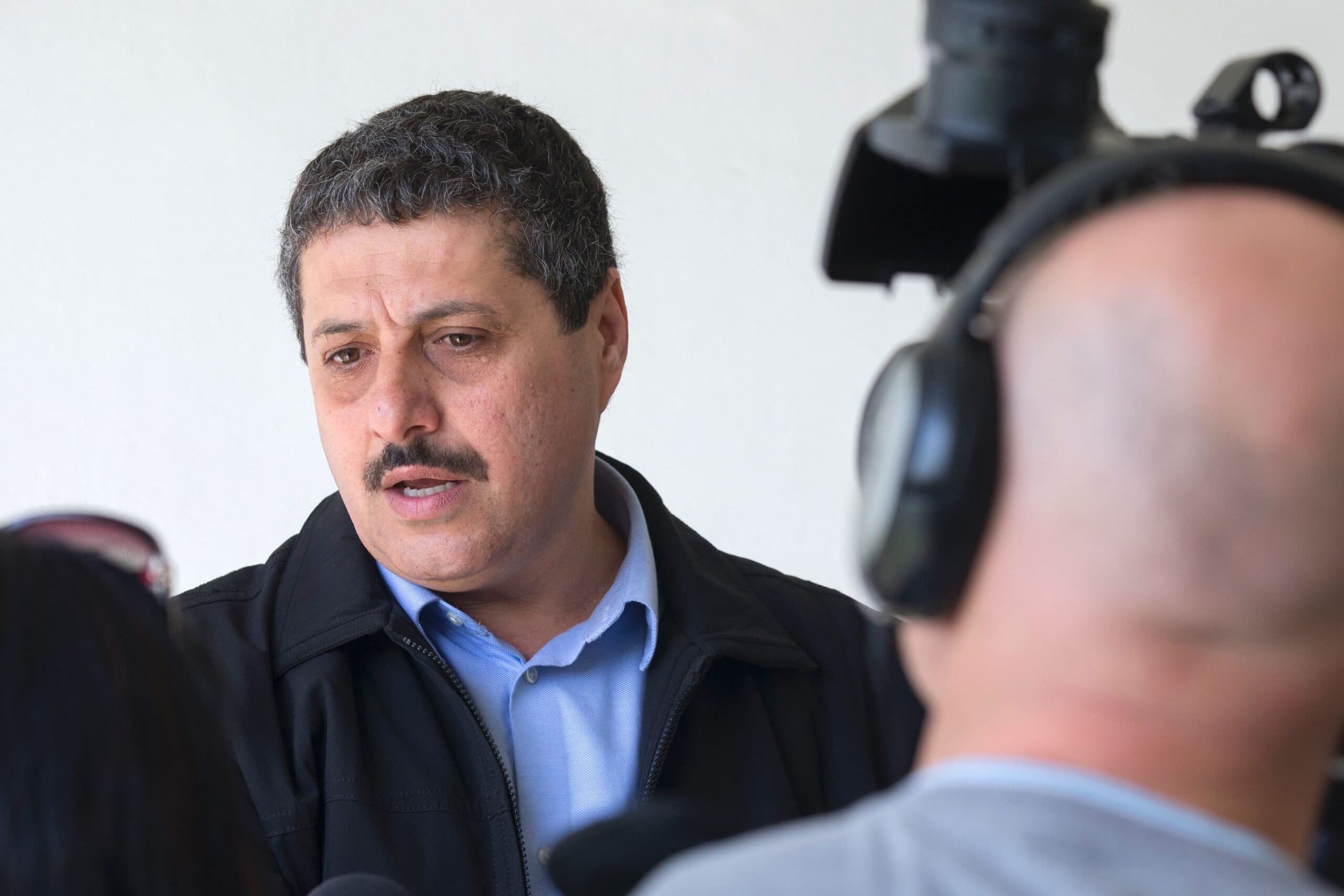
While Israel marked Jerusalem Day last month, East Jerusalem political activist Fakhri Abu Diab told Israel’s Ynet TV channel that instead of having cause to celebrate, Palestinians suffer oppression and discrimination.
As if to make his point, police tried to halt his live Hebrew-language television interview from outside the al-Aqsa mosque by grabbing his mobile phone and throwing it on the ground. Unfortunately for the officers, Abu Diab's phone didn’t break and audio of the confrontation was broadcast and shared on social media.
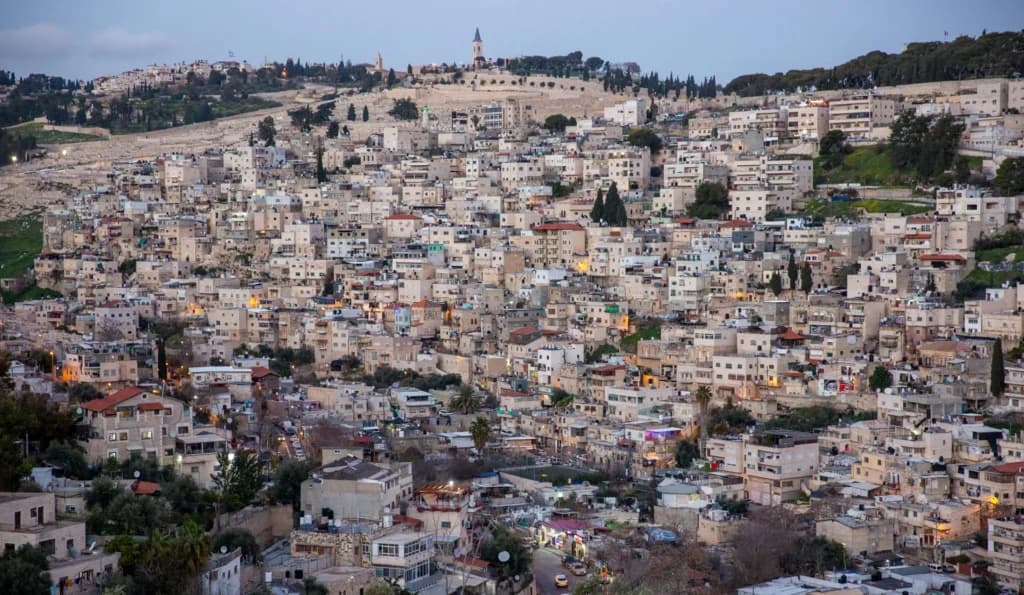
Abu Diab, 61, a former accountant for the Israel Broadcasting Authority and a grandfather of 12, is a community leader for the endangered al-Bustan neighbourhood. Settler leaders would like to see it demolished so that they can expand their presence in that territory, which was illegally annexed by Israel after the 1967 war.
In remarks to The Jewish Independent, Abu Diab recalled being ejected by police from the Temple Mount, then held by security forces on a street corner and warned to leave the Old City.
The Ynet interviewers voiced astonishment at the police behaviour, but Abu Diab said this was mild treatment relative to what he and other East Jerusalem residents are used to. “They don’t want the world to know that they are breaking international law,” he said. “I was making clear to Israelis that we are living under cruel rule.”
Critics of Israeli policy say the action against Abu Diab is just a hint of how Israel tries to silence dissent by neighbourhood activists throughout East Jerusalem. Abu Diab says he has been targeted with harassment since 2006, including an implied threat by police in 2018 that his home would be demolished if he continued talking to journalists and diplomats. The police deny this.
“There isn’t a single day that we do not think that our house might be demolished. I am with the families whenever there is a demolition.”