Published: 28 April 2023
Last updated: 5 March 2024
ITTAY FLESCHER looks at the storytelling of this year’s ‘Extraordinary Zionist Congress’ with a critical eye.
In the 125 years since 1897 where Herzl began to dream in Basel, there have been many gatherings of Jewish leaders across the globe for the “World Zionist Congress,” but only this year’s has been called the “Extraordinary Zionist Congress.”
The name was intended to mark the occasion of Israel’s 75th birthday, as well as the significance of a live conference after the online years of covid lockdowns.
But the conference turned out to be extraordinary for none of the reasons the organisers imagined. These included a walkout by hundreds of delegates from the Left to protest the judicial overhaul, chaotic scenes when the voting began on key resolutions and then was dramatically cancelled by factions on the Right, and unprecedented fury at the presence of Religious Zionist MK Simcha Rotman.
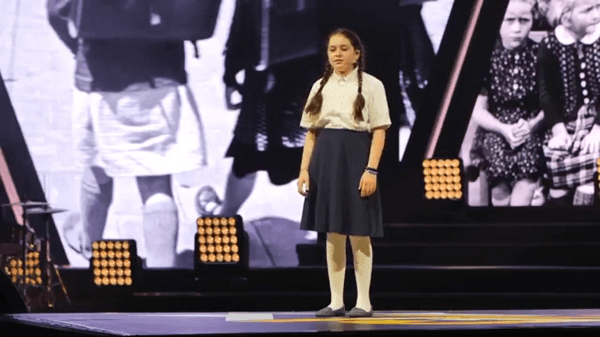
For me, as a teacher of Israel Studies for more than 15 years, the most interesting part of the congress was the ideology that underlay the impressive show that opened the first night. Among the speeches from various dignitaries emphasising the theme of "Jewish unity" was a five-minute musical montage meant to encapsulate the story of Israel in the fictional tale of one girl.
We first meet her in Germany of 1928, where she tells us about her experience of Nazism, how in a moment she went from being a popular girl to being called a “dirty Jew.” That monologue ends with her telling her parents, “I want to be in a place that accepts me for who I am, a Jewish Girl.”