Published: 11 July 2024
Last updated: 9 May 2025
If one had to choose one place in the US where a Jewish and Palestinian academic could co-teach a course on religion, journalism, and the Middle East, demonstrating respect and tolerance for differences, Columbia University might be the last campus most people would consider.
Yet since 2018, that’s exactly what Professors Ari Goldman and Gregory Khalil have been doing together in the Covering Religion course taught at its Graduate School of Journalism, a New York campus that has become notorious for its toxic climate surrounding Israel/Palestine.
Goldman is a Modern Orthodox Jew, a graduate of Yeshiva University, and describes himself as a “proud Zionist”. He believes in the necessity of a Jewish homeland and the importance of continuing the Zionist ideals upon which the State of Israel was founded.
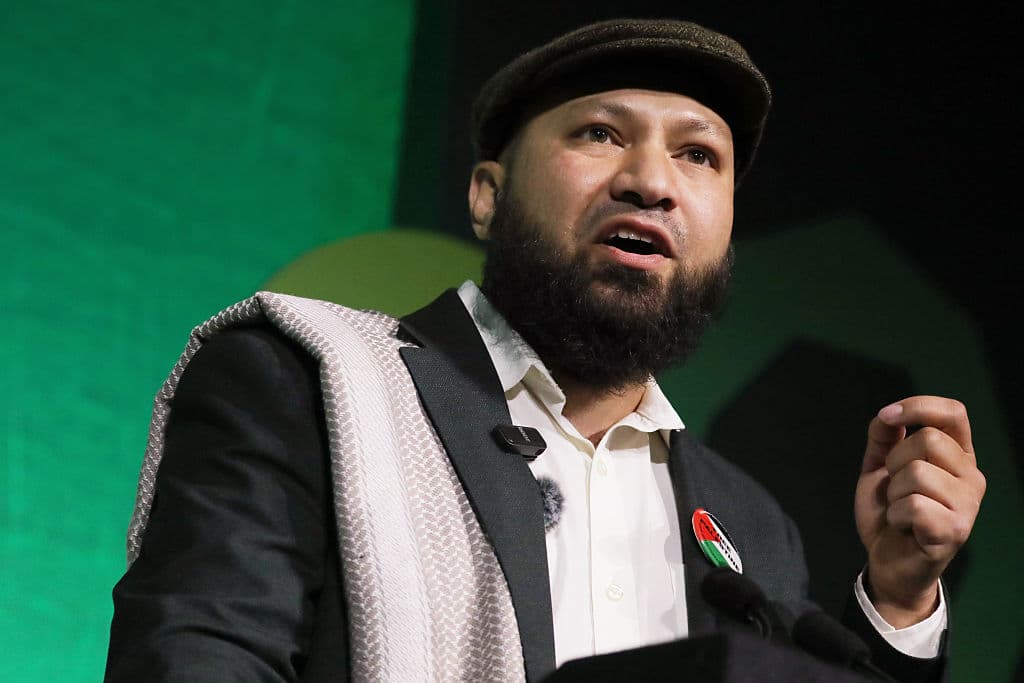
Much of Khalil’s family still lives outside of Bethlehem. As a young lawyer, he spent years advising the Palestinian leadership on negotiations with Israel.
Over the northern summer Khalil visited, on several occasions, the Columbia encampment calling for the university to divest its endowment from companies profiting off what students see as Israeli apartheid and genocide.
Meanwhile, Goldman was with the Jewish students at Chabad and Hillel on campus. None of these differences has stopped them from teaching together, being friends, or serving as role models for their students who seek to hear the voices of the other with empathy and respect.
Khalil supports Jewish self-determination but opposes Zionism. He often says there “will be no good future for any Israeli or Palestinian without a reality that ensures security, dignity, safety, freedom, equality and justice for everyone.