Published: 12 April 2022
Last updated: 4 March 2024
BEN LYNFIELD tries to get some answers to the mystifying question of why the Arab Joint List is apparently not worried about the alternative if Bennett’s fragile coalition falls
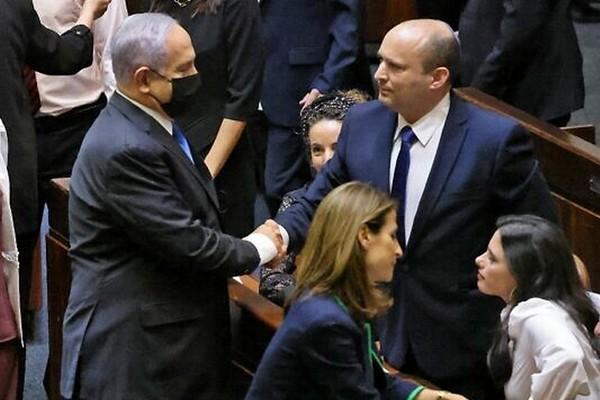
JERUSALEM: WITH THE DEFECTION of coalition whip Idit Silman to Benjamin Netanyahu's Likud party, causing Naftali Bennett to lose his parliamentary majority, the Israeli Left and centre were hoping that the Arab Joint List would come to the rescue by providing a safety net with its legislators.
At first it seemed possible that shared antipathy towards Netanyahu could make the Joint List, which advocates equality between Jewish and Arab citizens and calls for an end to Israel's occupation, and the Bennett government could come to an arrangement, despite the fact that Bennett has backed discriminatory legislation such as the recently passed Citizenship Law and an expansion of illegal settlements.
This was on the assumption that the return of the divisive, fear-mongering Netanyahu, who is standing trial on corruption charges, would be a disaster for Arab citizens whom he has, for years, targeted for incitement.
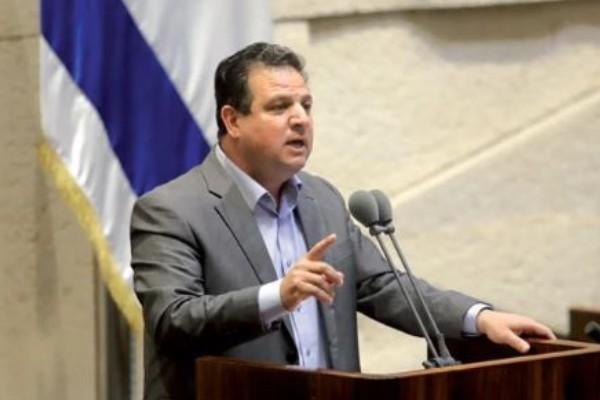
However, Joint List MK Sami Abu Shehadeh made clear in an interview with The Jewish Independent that as far as he is concerned, such a move is out of the question. Referring to the Bennett coalition, a hodge-podge of left, centre, right and pragmatic Islamic fundamentalists that in practice has leaned more to the right than the left, Abu Shehadeh asked: "Why should the Joint List give any kind of support to such a right-wing and racist government?"
The stance of Abu Shehadeh, who heads the nationalist Balad party component of the Joint List, raises the possibility Netanyahu will regain power by siphoning off further defectors or that there would be early elections that the Likud leader could win.
Another possibility is that Bennett's coalition, which now commands only half of the Knesset's 120 seats, could limp along till next March when it would, without the Joint List's backing, fail to pass the state budget that requires at least a 61-seat majority. That would trigger new elections.