Published: 28 October 2022
Last updated: 5 March 2024
ELANA SZTOKMAN will be casting her vote with Israel's Arab minority because she believes that's the best path to the kind of Israel she wants.
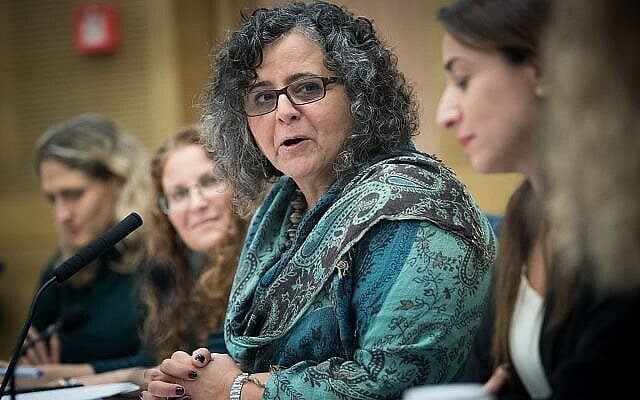
Several years ago, when a ground-breaking study about the health of Haredi women in Israel was released, the Knesset Committee on the Status of Women opened a special session to talk about this long-overlooked topic. The committee, run by an Arab member of the Knesset, Aida Touma-Suleiman of Hadash, was hailed by religious women, feminist organisations, and health advocates around Israel.
The one group whose representatives did not comment or even bother to attend the Knesset session was Haredi lawmakers, who are also all men. In one of many strange realities of Israeli parliamentary politics, it was an Arab woman lawmaker who took care of the needs of a community that mostly reviles and dismisses her party.
This story is at the forefront of my mind as I plan who to vote for in next week’s elections. While most Israelis are apathetic and cynical, with many reporting they have nobody to trust or vote for, I have made a decision that is based on ideology, strategy and my interest in protecting women.
This “strategy vs ideology” computation may be a particularly Israeli phenomenon. The multiplicity of small, niche parties, combined with rules about high thresholds, mean that people are often reluctant to vote for parties they believe in that are at risk of not gaining any seats or power. As such, many people vote “strategically” to enable a particular candidate to form a coalition, rather than the candidate they align with ideologically.
Ideologically, Hadash promotes a vision for Israel that I deeply align with - one in which Arabs and all other groups are treated as full citizens whose needs and interests must be attended to.