Published: 6 May 2025
Last updated: 6 May 2025
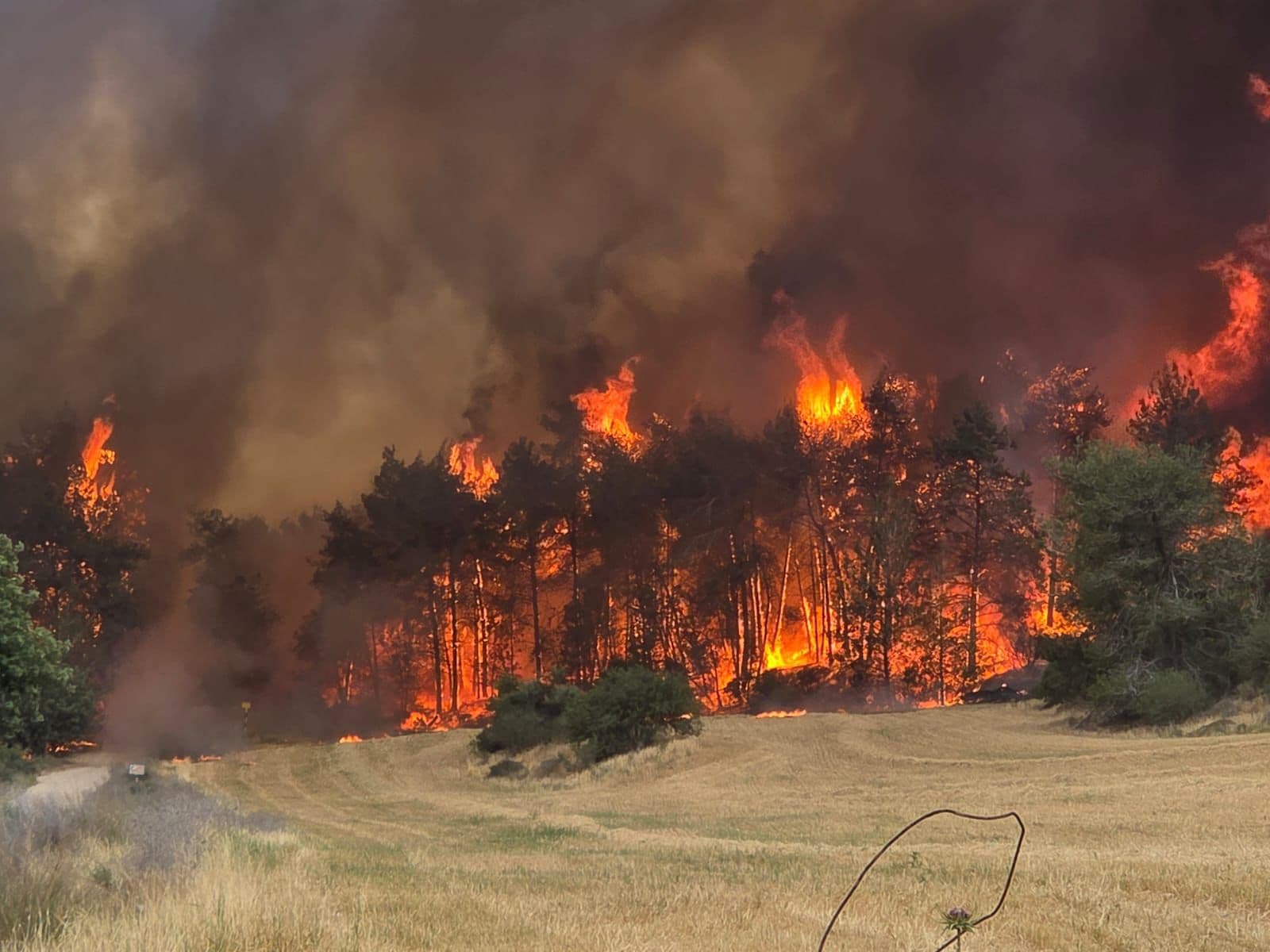
An atmosphere of war, political crisis and national exhaustion is an inauspicious time to push for more attention to climate issues. But the forest fires which tore through the Latrun area between Tel Aviv and Jerusalem last week forcing mass evacuations were stark evidence that Israel cannot afford to be complacent about climate change.
Israel lags way behind other developed nations in reducing greenhouse gas emissions and transitioning to renewable energy, says Galit Cohen, formerly Israel’s senior environmental regulator as director-general of the Ministry of Environmental Protection and now a senior researcher at the Institute for National Security Studies.
“We will see more and more drought and heatwaves. Until 2030 is the only open window for humanity to reduce greenhouse emissions. If not, we’ll see much more extreme climate and weather events,” says Cohen, referring to the 2030 deadline for reaching greenhouse gas reduction goals as specified in the 2016 Paris Accords.
'There's always a war'
But at present, public awareness in a country worried mostly about its many war fronts and political deterioration is also lagging behind. This means there is an absence of pressure on the government and companies to take the climate crisis seriously or push them to favor renewable energy over abundant and in the short run cheaper offshore natural gas supplies
“It’s a problem of awareness first of all,” says Cohen, who served under Tamar Zandberg of the now defunct liberal Meretz party and resigned when the far-right coalition gained power after the November 2022 elections. “The public is not aware enough of the climate crisis. There’s always a war and everyone says we don’t have time to think about climate because we have our problems.