Published: 13 November 2025
Last updated: 13 November 2025
Despite the Israel-Hamas ceasefire in Gaza and the heightened, if fragile, sense of returning to normalcy in Israel, the government is using security arguments to move Israel further towards authoritarianism, claim critics.
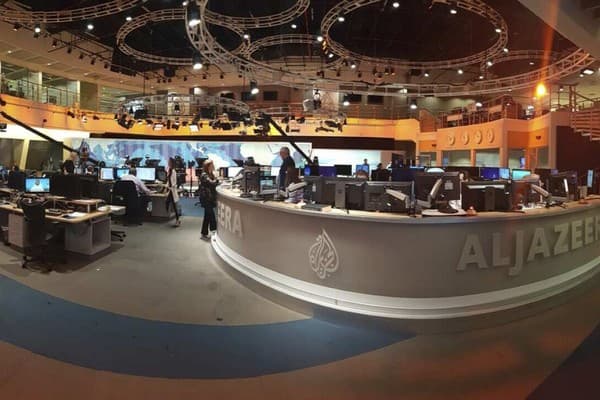
This week saw the first reading of a Knesset bill that significantly broadens government powers to close foreign news organisations deemed security threats, now without judicial review. The government also dealt a major blow to the domestic media landscape by ordering the closure by March 1 of the defence ministry-supervised Galei Zahal (IDF Radio), which features some journalists critical of coalition policies.
In addition, three other attacks on media independence are underway: a bid to close the Kan public broadcaster, a bill that would harm news corporations, and a bill that critics say would turn regulators into hand-picked yes men of hard-right communications minister Shlomo Karhi.
Collectively, these efforts point to Israel’s once relatively free media coming under unprecedented strain in the run-up to elections planned for next year.
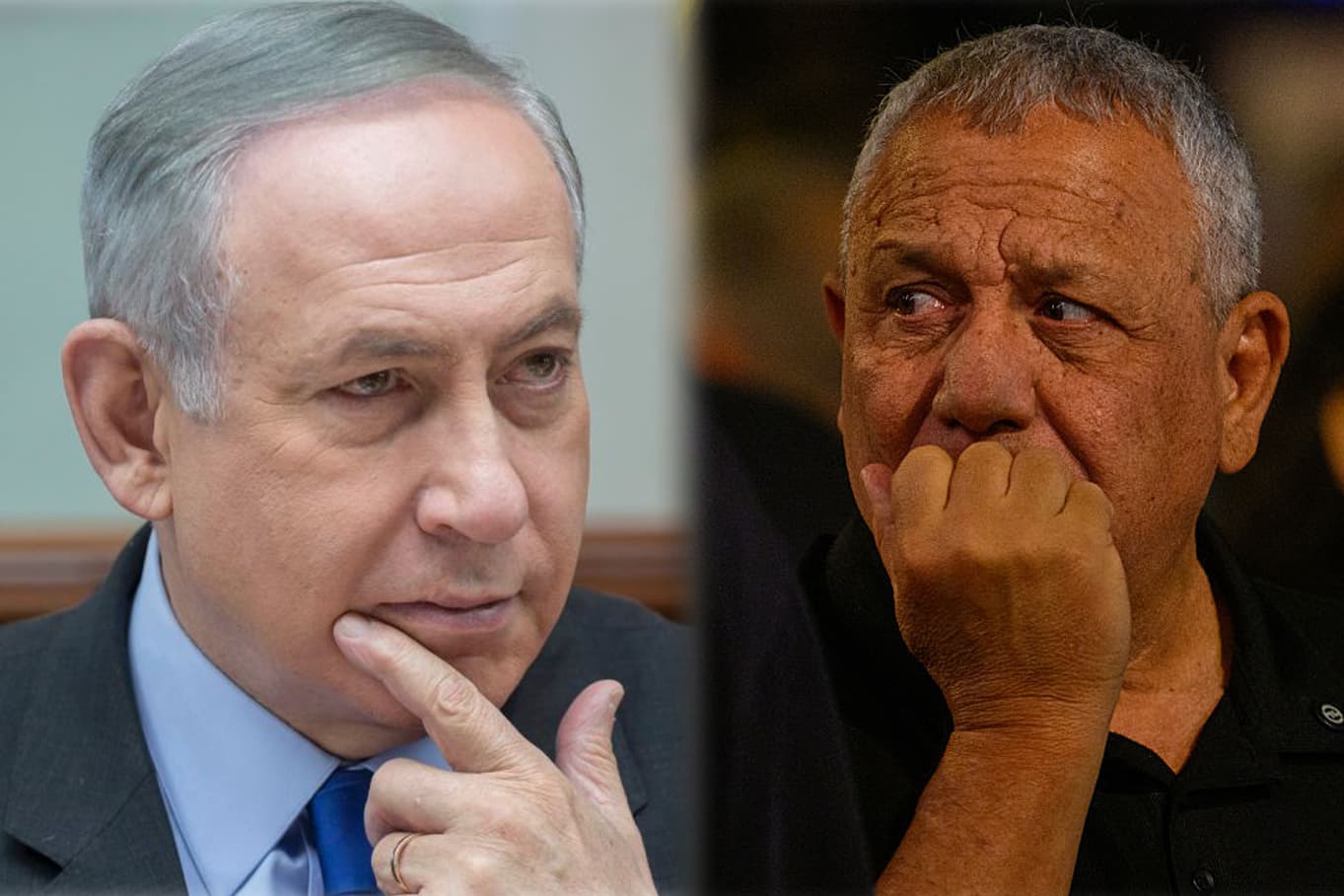
Prime Minister Benjamin Netanyahu, who faces an International Criminal Court arrest warrant for alleged Gaza war crimes abroad but a weak and divided opposition at home, is seeking a renewed mandate for his coalition, the most right-wing government in Israeli history.
“For the last three years, the government has done everything in its power to shut down the independent press in Israel,” Channel 13 investigative journalist Raviv Drucker told The Jewish Independent. “But they didn’t succeed so much. Now in the last months of this government they are trying to work very hard to achieve something.”
Karhi denies any antidemocratic intent, saying his moves give more expression to the views and needs of the majority of the country as expressed in the last elections.