



Published: 14 October 2025
Last updated: 14 October 2025
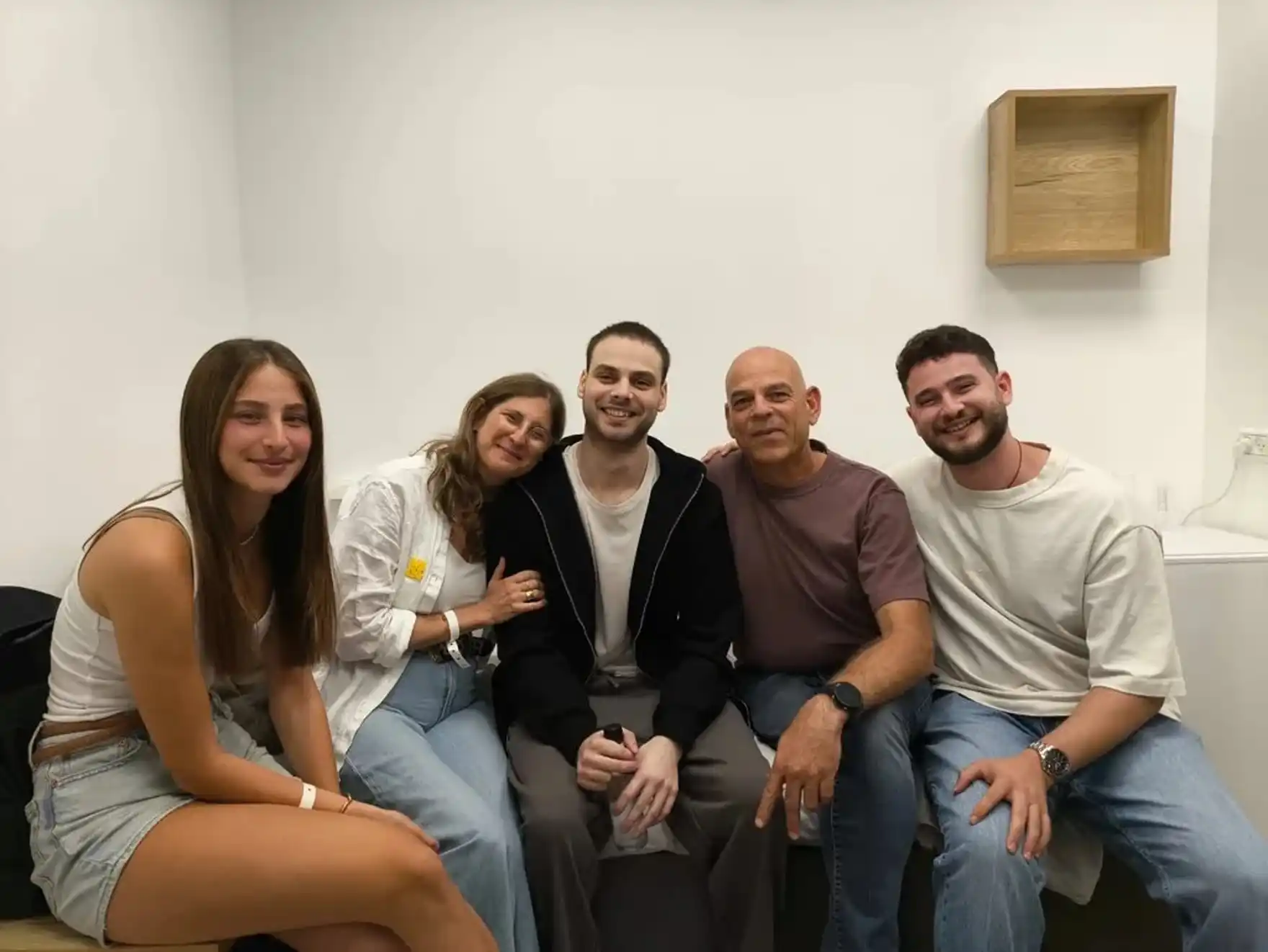
Each image is a world entire. Twin brothers Gali and Ziv Berman, who were kept in captivity separately for two years, embraced in each other's arms. Guy Gilboa-Dalal and Evitar David, kept together and then separated two months ago, found the other alive in an Israeli hospital. Brave Rachel Goldberg-Polin and her husband Jon Polin took a stream of calls from other parents because they "know what it is like to get your child returned in a bag".
It has been 24 hours of ecstasy as the last 20 living Israeli hostages held in Gaza were brought home and reunited with their families.
But the joy was spinkled with broken glass: four other hostages were released to their families as corpses and another 24 are known to be dead but their bodies have not yet been returned.
Then there is the wider pain: that of the families of the 1200 Israelis killed and many more maimed on October 7; of the other 203 hostages and their families, some returned alive and deeply damaged, some returned like Hersh Goldberg-Polin in body bags having suffered who-knows-what; of the families of soldiers who lost their lives or were wounded fighting this two-year-long war.
Nor can we forget the terrible suffering of the other: an estimated 60,000 people killed in Gaza, 83% of them civilian according to the Israel Defence Forces own data; 90% of the population displaced; famine in Gaza City.
There is ambivalence too. Israel freed nearly 2000 Palestinian prisoners in exchange for these 20 hostages — including hundreds of terror convicts serving life terms. Behind that deal lies the spectre of Yahya Sinwar, architect of the October 7 attack, who was released from an Israeli prison in a similar deal for the release of hostage Gilad Shalit in 2011 and went on to be responsible for so many more lost lives.


Comments
No comments on this article yet. Be the first to add your thoughts.