Published: 12 November 2025
Last updated: 14 November 2025
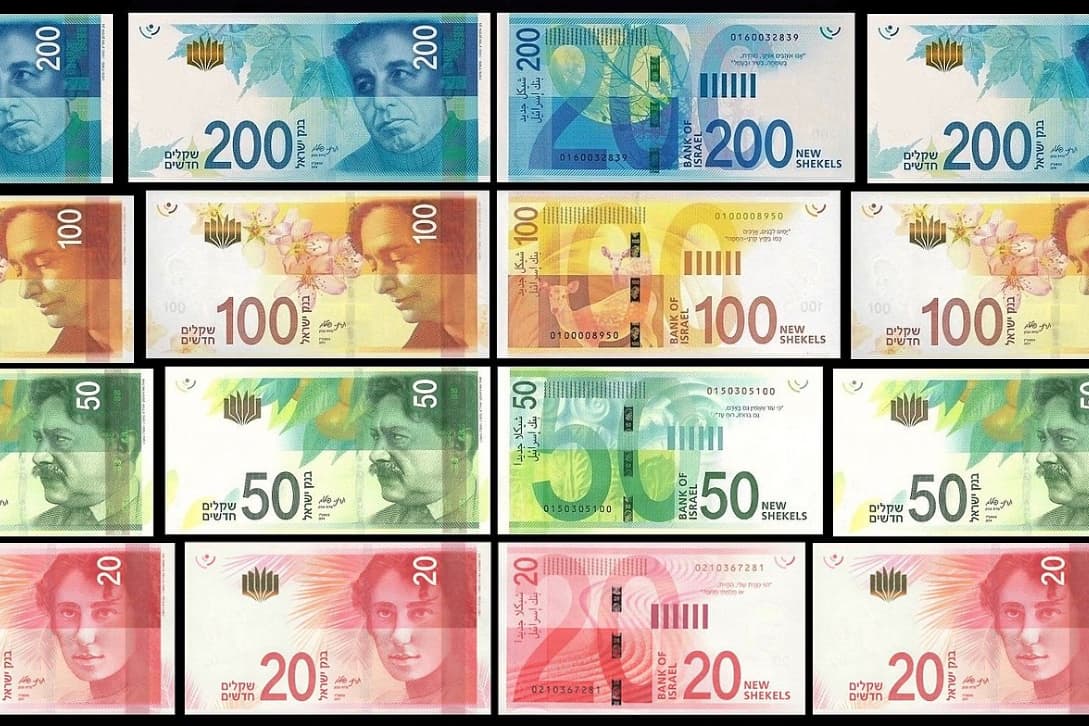
Leading Israeli economists fear the government is poised to undermine post-war economic recovery by pursuing electoral advantages instead of placing Israel on track for meeting its growth potential.
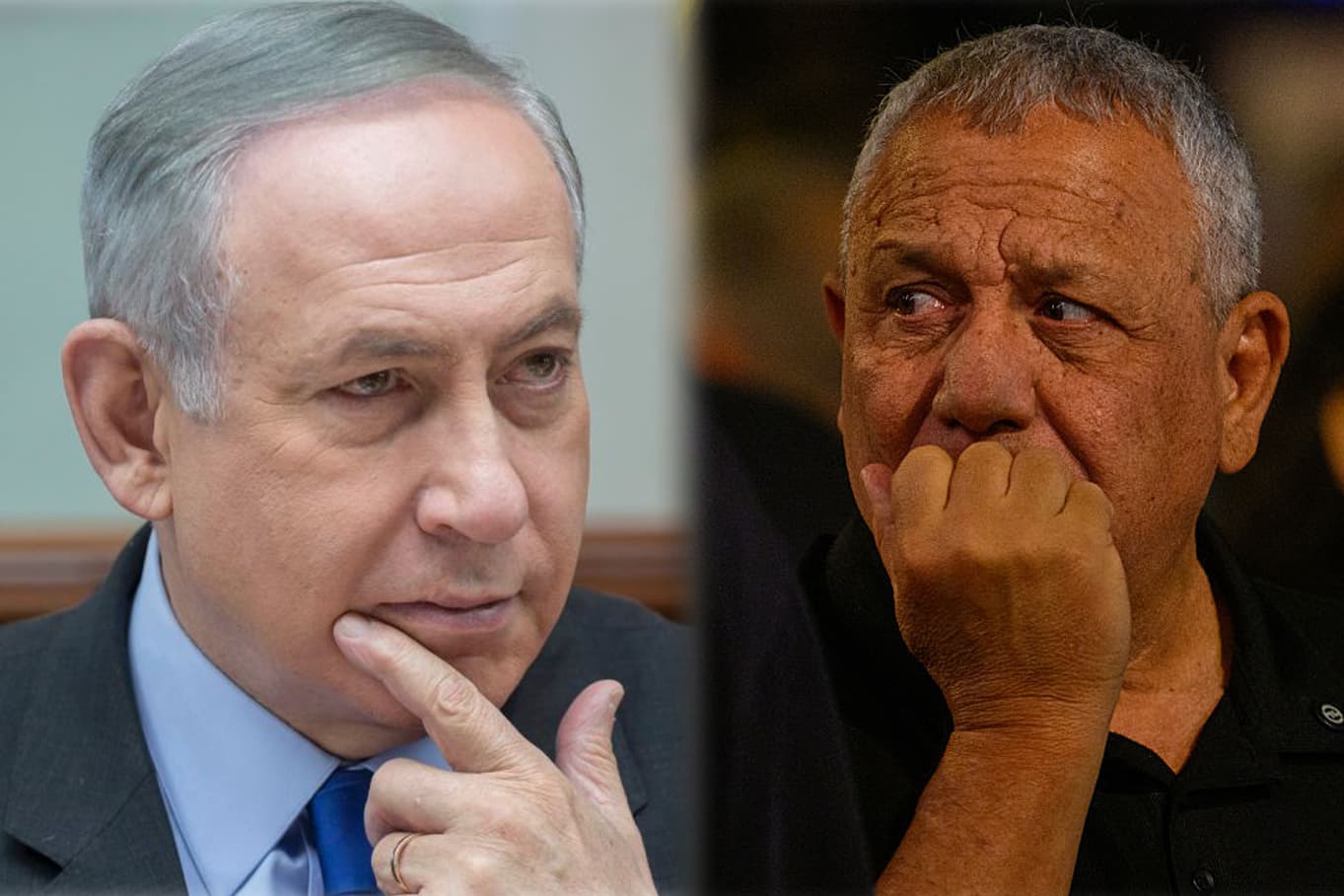
Elections must be held by November 2026 and will be the first test of Benjamin Netanyahu’s right-wing coalition since October 7, 2023 and the Gaza War.
Finance minister Bezalel Smotrich has foreshadowed a tax cut, which critics view as an election bribe, and reduced defence spending, which has been criticised by security experts.
Smotrich is the leader of the Religious Zionist party, which has pushed the Netanyahu government to the far right and recently issued a document outlining vast outlays for recent settlement growth.
Short-term expediency
Israel’s economy grew at a rate of only one percent in 2024, compared to an annual average of 3.7 percent for the 15 years before the war. The war, including damage inflicted by Hamas, Hezbollah and Iran cost about 300 billion shekels ($A142 billion) or 15% of Gross Domestic Product.
Ceasefire offers economic hope. The credit agency Standard and Poor’s upgraded Israel’s rating as a result of the Gaza ceasefire.
But there are concerns that the government may squander the opportunity for growth for short-term political gain. “The biggest concern is that the government is just worried about winning the election and staying in power,” says Dan Ben-David, director of the Shoresh Institution, an economic and social policy think tank.
![[[:fr:Fez (coiffure)|Fez]] rouge à gland noir, en feutre.](/_next/image/?url=https%3A%2F%2Fjewishindependent.yourcreativeagency.com.au%2Fwp-content%2Fuploads%2F2026%2F10%2Ffez-cap-eisenkot-netanyahu.jpg&w=3840&q=75)
