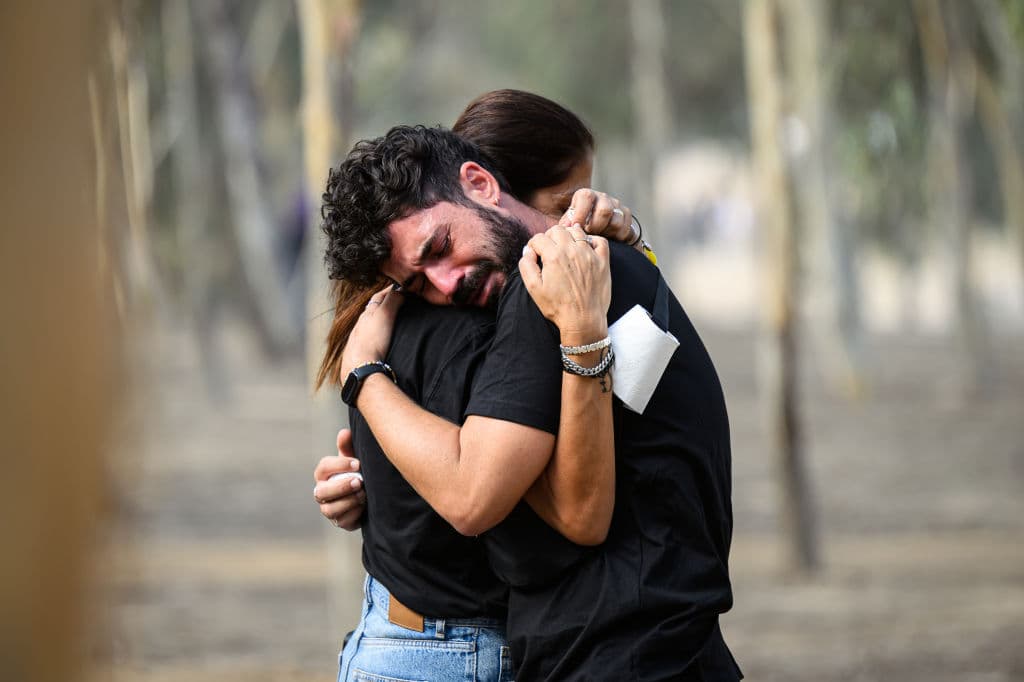
Published: 1 October 2026
Last updated: 7 October 2026
October 7, 2026, marks the third anniversary of the devastating Oct 7 Hamas attack, but in many ways, it is the first anniversary on which the impact of that day can begin to be assessed.
Until this anniversary, Israel could not even count its dead. The body of the last hostage to come home from Gaza, Ran Gvili, only returned in January this year. The prolonged suffering of the hostages taken on that day, meant that Oct 7 remained for more than two years not a past trauma but a continuing assault.
Nor could the people of Gaza begin to recover or rebuild while the terrible war unleashed by Oct 7 continued to destroy the lives of Palestinians.
Now, with the hostages home or buried and the ceasefire, however unstable, in place, we can consider the many ways in which this single act of war upended the lives of Israelis and Palestinians, of the Middle East region, and of Jews around the world.
It is a tragic accounting. If the terrorists’ intention was to inflict pain, Oct 7 was an evil success. If they wanted to improve the lives of Palestinians and move the dial towards a free and independent Palestine, Oct 7 was an utter failure.
The most potent and longstanding impacts of Oct 7 was not the experience of Israel as a victim but its characterisation as an aggressor
The raw numbers of deaths and injuries are the easiest to count, but they are far from the whole story.
In Israel 1200 people were killed on Oct 7 – the greatest number of Jews killed in a single day since the Holocaust. Another 251 people were abducted and taken to Gaza: all of whom suffered horrendously and 83 of whom did not return alive. About 5,000 Israelis and foreign residents in Israel suffered physical injuries, including a degree of widespread sexual violence which has only been fully revealed in recent months. More than 2,000 Israelis have been killed as a result of the war since.