Published: 13 July 2026
Last updated: 13 July 2026
Since 2014, over a quarter of a million Russian speakers have arrived in Israel. Unlike the mass aliyah of the 1990s, which was driven primarily by the desire to escape antisemitism and economic hardship, this wave is largely composed of people escaping war in Crimea or Ukraine and looking for a life in a more democratic country.
Vicki Idzinski, the founder and CEO of the NGO Israel Shelanu, believes this desire for a democratic home makes the Russian-speaking migrants a powerful demographic in Israeli society.
Israel Shelanu (Israel is Ours), was born in 2023 out of a sense of urgent crisis, following the judicial overhaul, a government initiative that sought to strip the Supreme Court of its power to strike down "unreasonable" administrative decisions. Critics argued the overhaul threatened democracy by removing the only effective check on executive power, potentially allowing for the infringement of minority rights and the appointment of unqualified loyalists to key positions.
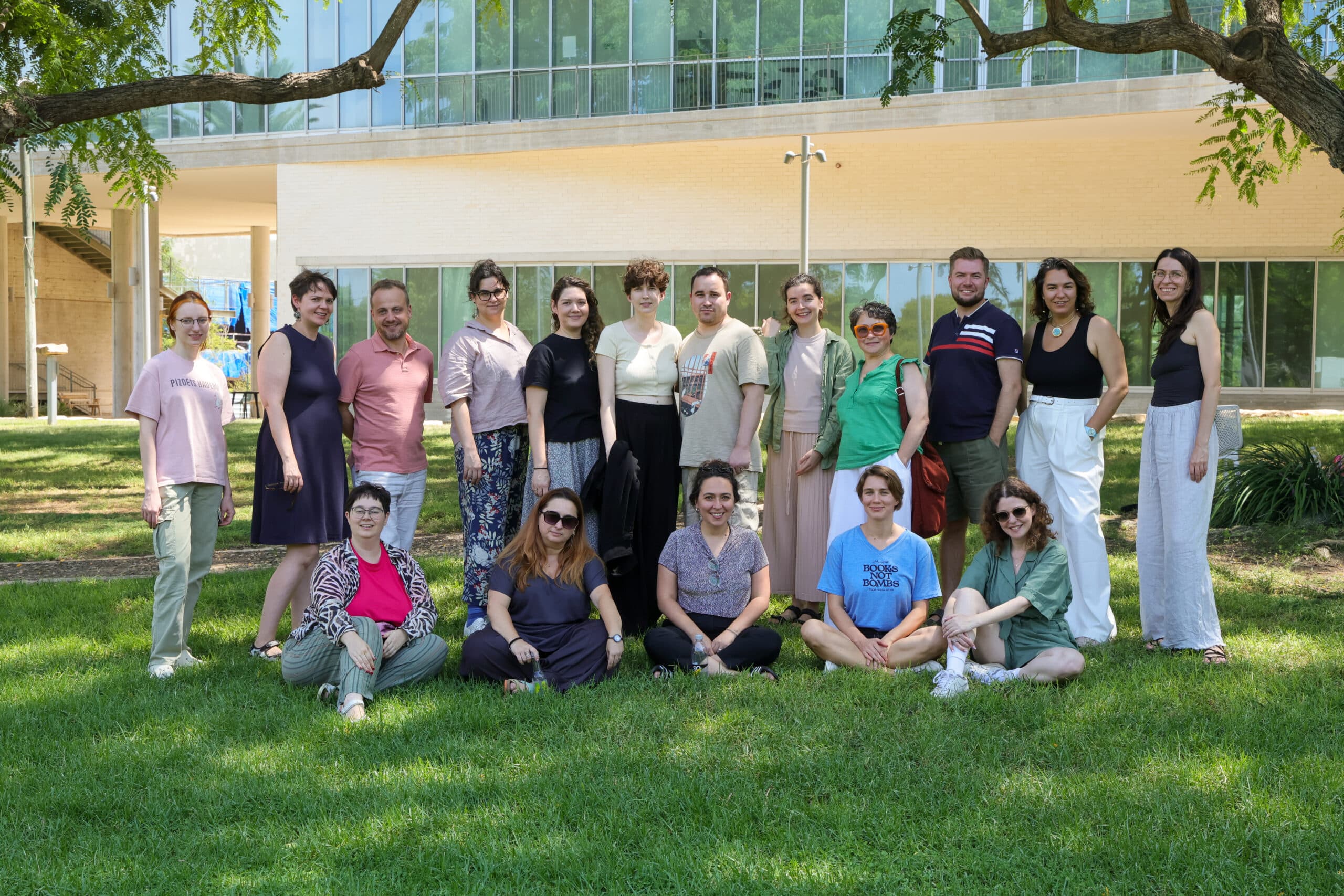
In that same year, while the world watched the escalation of the war on Ukraine and the tightening of the regime in Russia, Idzinski was watching a different kind of struggle inside Israel. She realised that while thousands of highly educated, anti-Putin, liberal-minded people were arriving from Moscow, Saint Petersburg, and beyond, they were essentially being silenced by the same old barriers. Many of these people are what she calls ‘people of words’. They are deans of universities, famous directors, senior journalists, and political commentators.
However, because they did not yet understand the workings of Israeli society well, they often end up working in isolation within their own community or remotely for companies in Europe and America. This creates an ironic disconnect, where some of the most experienced democratic activists in the world are living in Israel but remain invisible to the Israeli public.


![[[:fr:Fez (coiffure)|Fez]] rouge à gland noir, en feutre.](/_next/image/?url=https%3A%2F%2Fjewishindependent.yourcreativeagency.com.au%2Fwp-content%2Fuploads%2F2026%2F10%2Ffez-cap-eisenkot-netanyahu.jpg&w=3840&q=75)