Published: 20 February 2024
Last updated: 21 March 2024
BEN LYNFIELD meets the families of two men taken prisoner by Hamas in Gaza nearly ten years ago, their plight largely ignored in Israel until now.
For the families of Israeli hostages seized from border communities and brought back to Gaza by Hamas on October 7, every day is an eternity of worry, anguish and fears for the worst.
“Bring them home now” and “free them from hell” say signs at bus stops and buildings all over the country. Protests or other actions to press the government to strike a deal with Hamas freeing those being held are a near daily occurrence, taking on added urgency amid a sense that time is working against those in Hamas’s tunnel network.
But this ordeal is nothing new for relatives of two Israelis who became Hamas hostages about a decade ago but whose plight was largely ignored in Israel until now.
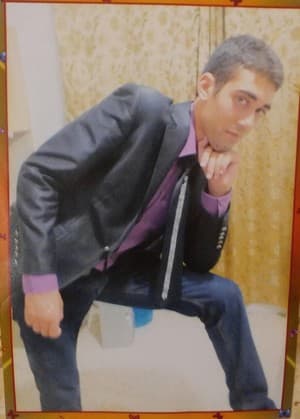
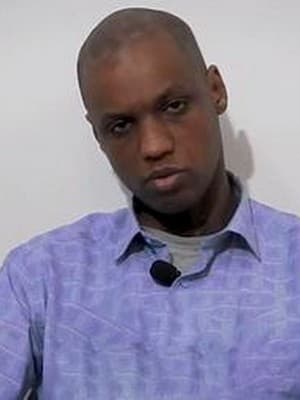
Bedouin-Israeli Hisham al-Sayed, 37, if he is still alive, and Ethiopian-Israeli Avera Mengistu, also 37, if still alive, appear to have been victimised not only by Hamas, but also by prejudice and the stigma of suffering from mental illness. In separate incidents, each crossed the border into Gaza on their own and fell into Hamas’s hands.
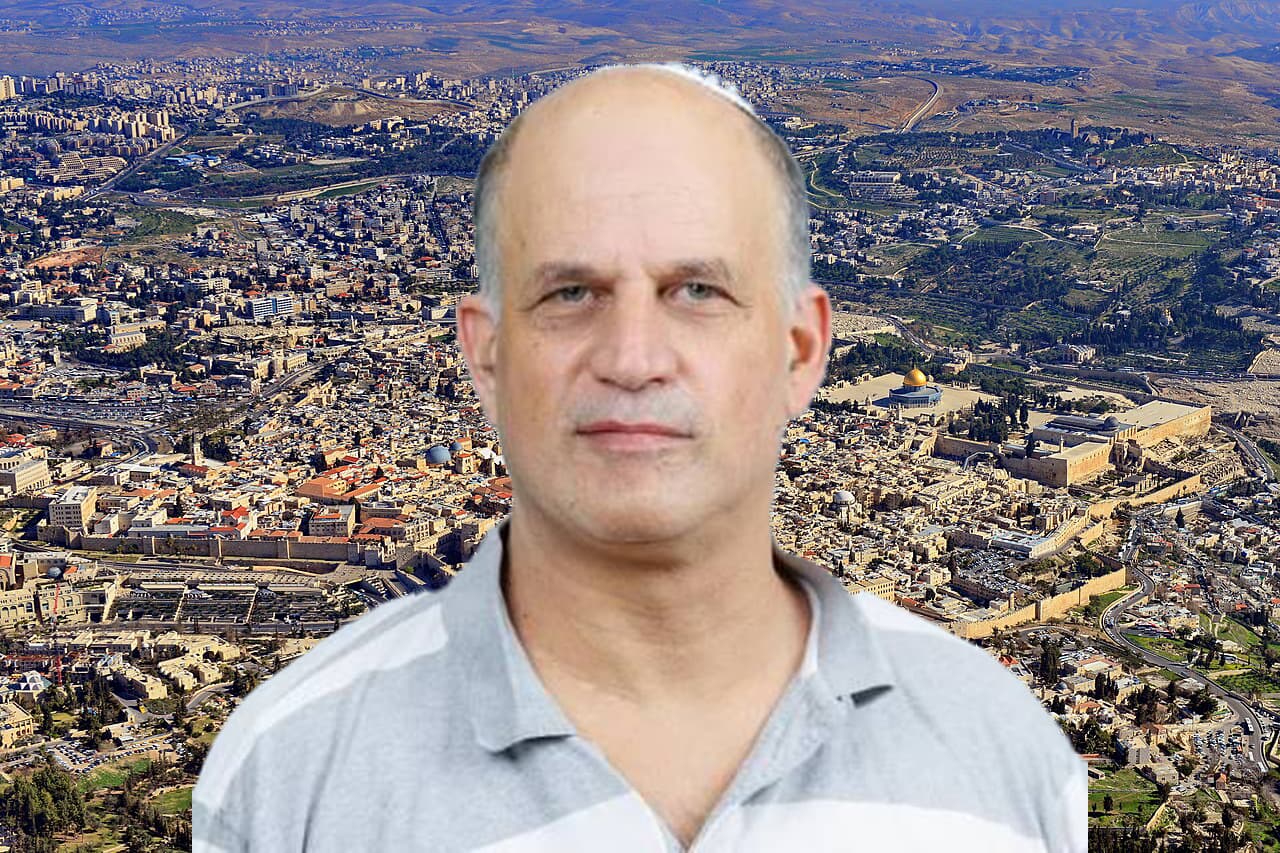
Sha’aban Al-Sayed, Hisham’s father, said in an interview with The Jewish Independent at his home in the impoverished Negev desert Bedouin town of Hura, that it is only now that he is feeling less isolated in his concern for Hisham. “Unfortunately, this greater awareness about Hisham happened because of the Holocaust of October 7,” he said, referring to the day Hamas and others killed 1200 people and took about 240 hostages.
“In the beginning, no one stood with us, not the Arab society, not the Jewish society and not the government. I was on my own,” said the contractor, who is a father of 12.