Aa
  • Read, Watch, Listen
  • TJI Series
  • Community Action
  • Events
  • Zedi
Follow us and continue the conversation
  • LinkedIn
  • Instagram
  • FaceBook
  • X
  • YouTube
Test yourself with the TJI Quiz!

Adjust size of text

Aa

Follow us and continue the conversation

  • LinkedIn
  • Instagram
  • FaceBook
  • X
  • YouTube

Your saved articles

You haven't saved any articles

What are you looking for?

Original reporting, insightful analysis and diverse views, delivered straight to your inbox

  • LinkedIn
  • Instagram
  • FaceBook
  • X
  • YouTube
Your support fuels our mission to inform, entertain and inspire.

The Jewish Independent is bound by the Standards of Practice of the Australian Press Council. If you believe the Standards may have been breached, you may approach The Jewish Independent or make a complaint to the Australian Press Council in writing at www.presscouncil.org.au. The Council may also be contacted on 1800 025 712.

  • Our Story
  • Contact us
  • Our Team
  • Support us
  • Guidelines
  • Pitch your idea
  • Republishing us
  • Community Action
  • Our Awards
  • LinkedIn
  • Instagram
  • FaceBook
  • X
  • YouTube
Aboriginal FlagTorres Strait Islanders Flag

The Jewish Independent acknowledges Aboriginal and Torres Strait Islander peoples as the Traditional Owners and Custodians of Country throughout Australia. We pay our respects to Elders past and present, and strive to honour their rich history of storytelling in our work and mission.

© The Jewish Independent 2026All Rights Reserved
Website design and development by Your Creative, MelbourneTerms & ConditionsPrivacy Policy
HomeRead, Watch, ListenIsrael
OpinionIsrael

Three questions Israelis are asking… and three that matter more 

Israelis obsess over internal politics, but the country really needs to grapple with critical underlying issues of democracy, shared values and peacebuilding.
Ittay Flescher
Print this
3 questions

Image (TJI)

Published: 19 January 2026

Last updated: 19 January 2026

Isidor I. Rabi, the Nobel laureate in physics was once asked, "Why did you become a scientist, rather than a doctor or lawyer or businessman, like the other immigrant kids in your neighbourhood?"

Dr. Rabi's answer was profound: "My mother made me a scientist without ever intending it. Every other Jewish mother in Brooklyn would ask her child after school: 'So? Did you learn anything today?' But not my mother. She always asked me a different question. 'Izzy,' she would say, 'did you ask a good question today?' That difference - asking good questions -made me become a scientist!"

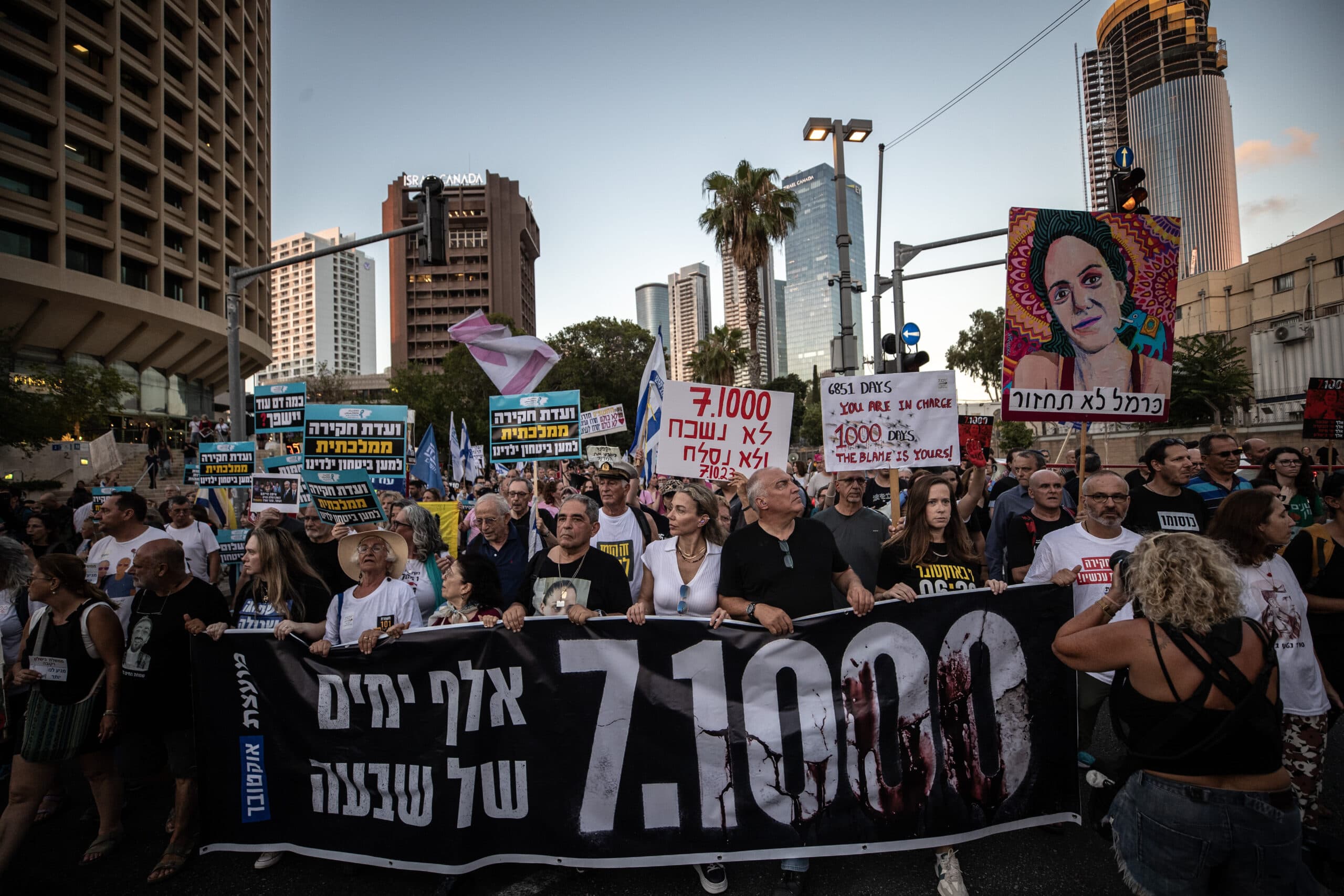
I feel I’m living in a country filled with people asking the wrong questions. Since the ceasefire between Israel and Hamas, the three questions that have consumed most  airtime in Israel are: 

  1. Should there be an independent state commission of inquiry or a politically appointed inquiry into why the IDF and government failed to prevent the horrific Hamas attack on October 7? Would such an inquiry achieve anything or merely be a whitewash to absolve key players? 
  1. Should the Haredim be drafted into the army en masse or should they be largely exempt from service through some sort of politically negotiated compromise? 
  1. Should President Herzog grant a pardon to Netanyahu in his current trial, where he stands charged with bribery, fraud, and breach of trust? 

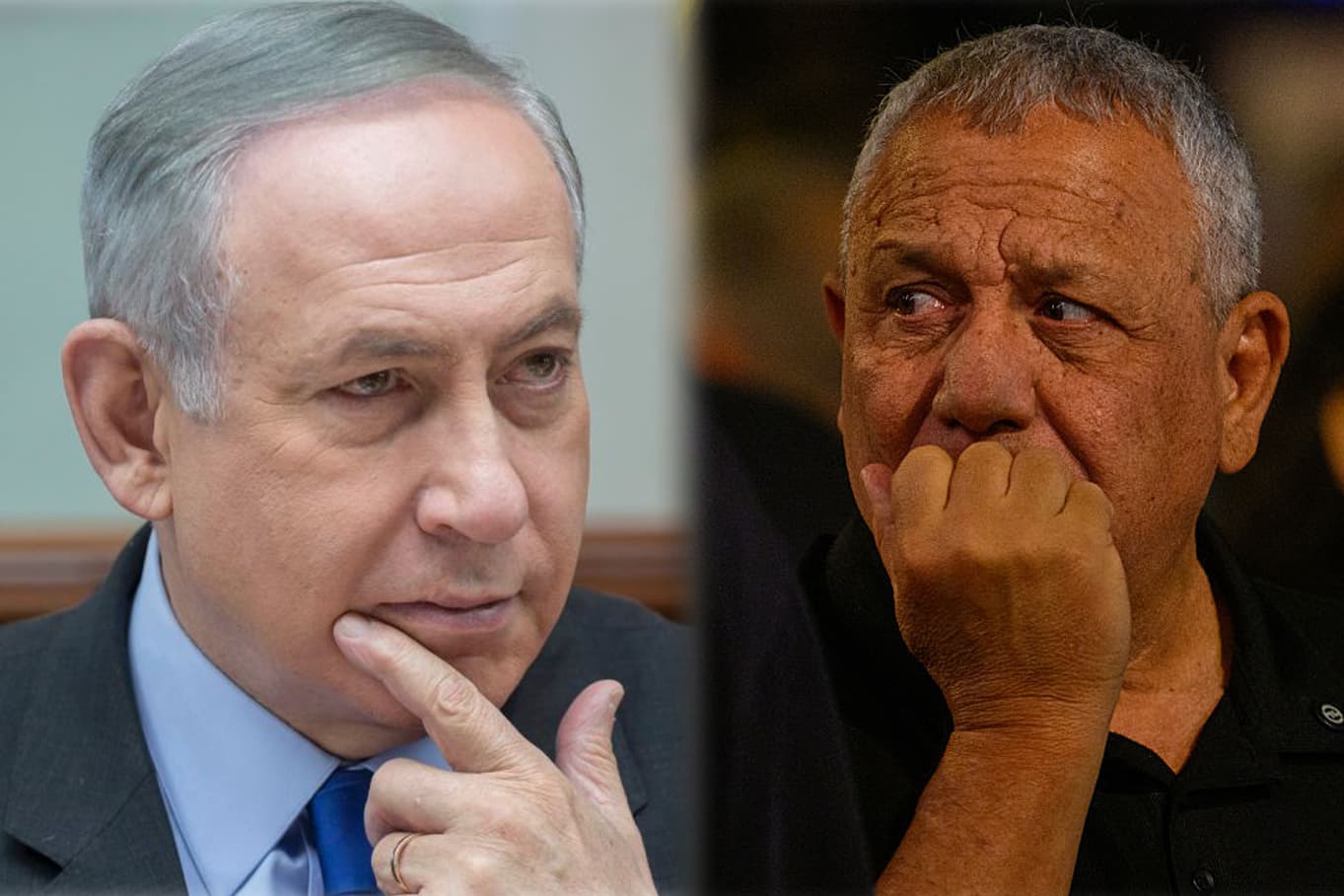
As expected, the views of Israelis on each of these issues divide neatly along the lines of whether they are supporters or opponents of Benjamin Netanyahu. 

Those who vote for the coalition feel that the people responsible for not preventing October 7 are the IDF, Shin Bet, Mossad, the Attorney General, the Supreme Court, and everyone else aside from the elected ministers in the cabinet on that day. They support a compromise with the Haredim for the sake of preserving Netanyahu’s coalition, and they have opposed the trial from day one, which they view as a collection of fabricated charges designed to bring down a popular leader from the Right. 

Those who oppose the coalition believe that if an alternate leader is elected from their camp, all Haredim will be drafted, and a state commission of inquiry will find Netanyahu directly responsible for failing to prevent October 7, leading to his resignation and shame for all eternity as the most corrupt and divisive prime minister in the history of Israel. 

The real problem Israel faces is that none of these questions address the deep issues facing the society. They represent maximalist wishes of two opposing camps—neither of which I imagine will ever be realized in full. 

There are questions far more crucial to our collective future than those we are currently debating. 

These are three questions I wish Israelis would focus on instead:  

  1. How can we create a constitution that protects the rights and freedoms of all citizens in a manner that ensures our democracy will never be threatened again from within? 
  1. How can we establish a shared education system so that common values regarding citizens' benefits and responsibilities are taught to all children, no matter their religious ideology? 
  1. How can we forge agreements with the Palestinians and our neighbouring countries that can enable all of us to share this region in peace? 

None of these three questions has a simple answer, but finding solutions that address them is much more important for our future in this land than our current debates that largely centre around adoration or disgust for Benjamin Netanyahu. 

After all the heartache we endured as a nation and inflicted on Gaza over the past two years, the last thing we need for the coming election year is to rehash the debates of October 6.  

We must instead pivot to the essential, non-partisan work of building a resilient future. This involves establishing a democratic foundation that is unassailable, cultivating a shared civic identity through education, and, most critically, laying the groundwork for peace and security with the Palestinians. Moving beyond the figure of Netanyahu is the only path to addressing the fundamental questions of shared life, security, and governance that will define Israel for generations to come.

You might also like
  • ‘Israel is systemically eliminating Palestinian collective life’:  B’Tselem
    Deborah Stone
  • Tame apologises – but with little grace
    Deborah Stone
  • Confronting Richard Flanagan and the myth of the Israel lobby
    Mary Garden
logomark.67a07ee3
We believe in the free flow of information

Republish our articles for free, online or in print, by using our Creative Commons licence

You might also like

    haredi street guitar
    Photo EssayArts & Culture

    Jerusalemites through the lens

    Sharon Gabay
    Yoav Segalovitz Mansour Abbas
    Israel Votes 2026OpinionIsrael

    Because of my Zionist values, I’m joining an Arab party

    Yoav Segalovitz 1
    altalena
    Israel Votes 2026OpinionIsrael

    The Altalena should be a warning, not a political weapon

    Shahar Burla 1

About the author

Ittay Flescher

Ittay Flescher

Ittay Flescher is the Jerusalem Correspondent for The Jewish Independent. For over twenty years, he has worked as an educator, journalist, and peacebuilder in Melbourne and Jerusalem. His book, The Holy and the Broken: A Cry for Israeli-Palestinian Peace from a Land that Must Be Shared, was longlisted for the 2025 Walkley Book Awards.

More from the author

AnalysisIsrael

What ‘Zionism’ means in Israel:  it’s not what you think

AnalysisIsrael

From haven to hotbed: how Israel’s perception of Australia has changed

FeatureIsrael

New wave of Russian-speaking migrants may be key to Israel’s future

AnalysisIsrael

How a new International Peace Fund could make a tangible difference

Comments

No comments on this article yet. Be the first to add your thoughts.