Published: 24 June 2025
Last updated: 24 June 2025
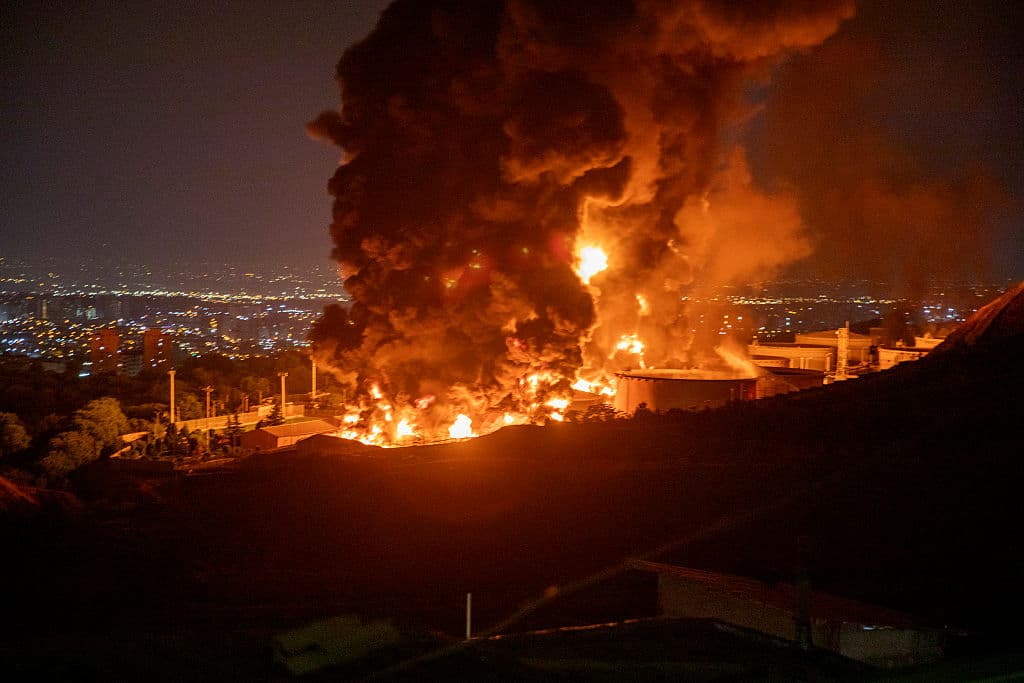
Israel and Iran have agreed to a ceasefire after 12 days of fighting, which began when Israel attacked Iranian military targets on June 13.
The war has met Israel's core goals, which were strictly security-based and not aimed at regime change, according to the country's UN International Spokesperson Jonathan Harounoff.
In an interview with The Jewish Independent, Harounoff said Israel's attack was a carefully planned operation with specific military objectives.
“The timing was not an impulsive decision, it was the culmination of years and years of intelligence gathering, pointing towards a very concrete, concerning plan to completely annihilate the state of Israel through multiple means,” Harounoff said.
The first, most existential threat to Israel was nuclear. Harounoff says Israeli intelligence showed that the Islamic Republic of Iran “was closer than ever to reaching the point of no return” in its nuclear capabilities.
The second, which Harounoff says is focused on much less in the media, was the Islamic Republic’s accumulation of a significant arsenal of ballistic missiles, drones, and other weaponry that could reach Israel and well beyond.
“And third, there was a whole army of senior officials and military political scientists, who were all working together to create a sort of October 7, 2.0,” he added. “That would have been much more destructive and would have involved many of the Islamic Republic’s proxies attacking Israel at the same time.”