Published: 4 June 2026
Last updated: 4 June 2026
Since the ceasefire between the United States and Iran was announced on April 7, thousands of words have been exchanged in ongoing negotiations, but they have failed to secure an agreement that would restore stability to the region.
The dynamics of these negotiations, which are mediated by Pakistan, highlight the contrasting perceptions of the war’s outcome held by the rival decision-makers in Tehran and Washington. While President Trump and his administration point to the significant military and leadership losses suffered by the Iranian regime, the Iranian perspective is almost diametrically opposed.
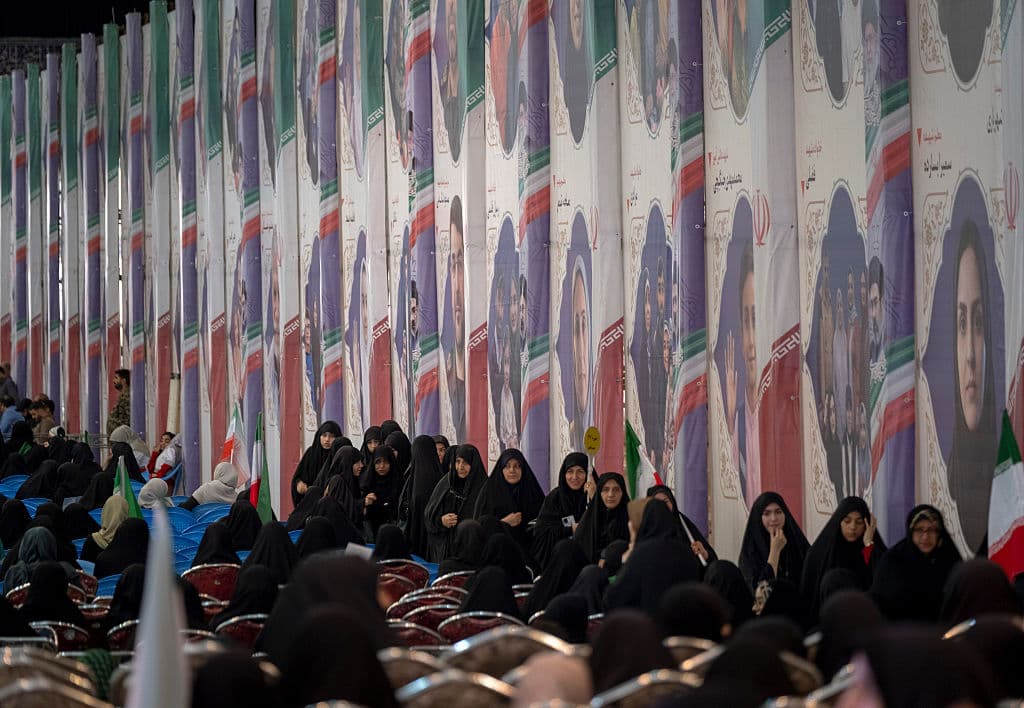
From Iran's viewpoint, it has successfully weathered a conflict initiated by the so-called “Big Satan” – the US – the world’s foremost superpower, which has failed to unseat the Islamic Republic. For a regime that adheres to a “resistance” ideology and equates survival with victory, the war serves as definitive proof of its resilience.
This mentality fuels Iran's self-confidence as it negotiates with the US as an equal, which is reflected in its outright rejection of American demands, deemed tantamount to total surrender. After all, if one believes they have triumphed in war, why would they concede the terms proposed by the other side for a permanent agreement?
This psychological stance is further reinforced by the fact that not only did the US fail to topple the regime, but it also could not eliminate or destroy the 440 kilograms of highly enriched uranium, which brings Iran dangerously close to developing a nuclear weapon. To make things even more complicated, during the war Iran was able to conjure yet another strategic pressure toll through its ability to dramatically disturb the global energy market by choking the Hormuz Strait.

![[[:fr:Fez (coiffure)|Fez]] rouge à gland noir, en feutre.](/_next/image/?url=https%3A%2F%2Fjewishindependent.yourcreativeagency.com.au%2Fwp-content%2Fuploads%2F2026%2F10%2Ffez-cap-eisenkot-netanyahu.jpg&w=3840&q=75)