Published: 11 August 2025
Last updated: 11 August 2025
“How are you... all things considered?” is how nearly every conversation starts these days—with Jewish friends and with Palestinian friends.
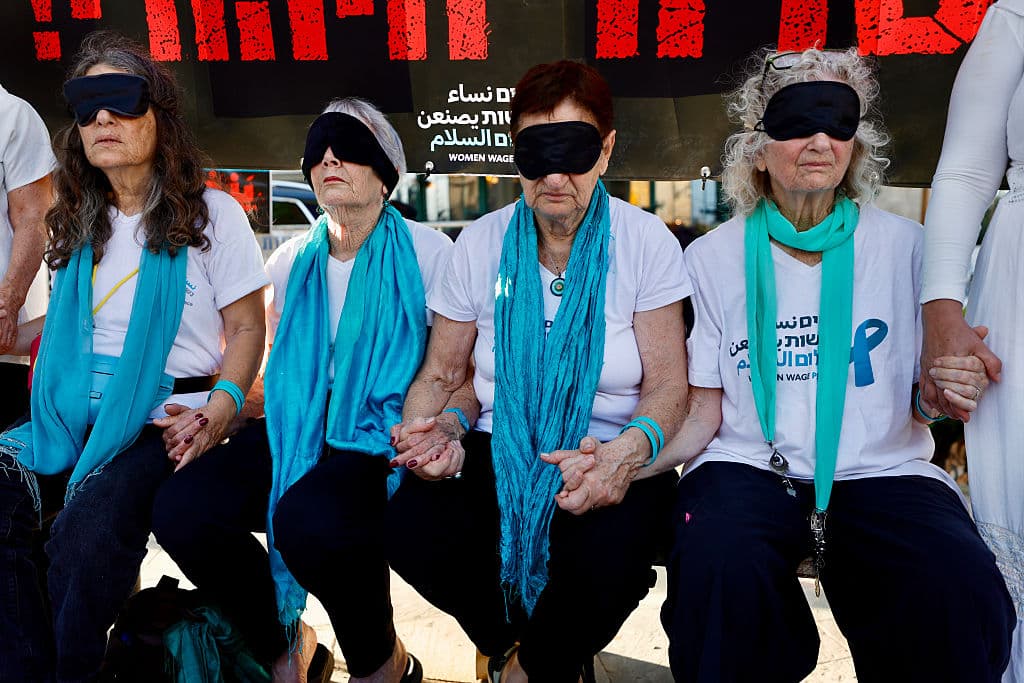
For nine months in 2023, “all things considered” referred to the internal collapse of Israeli democracy under its far-right government. Then came October 7, and our worlds were shattered. Hamas’s horrifying attacks killed over 1,200 Israelis and took hundreds of hostages in a single day. The trauma was profound, personal, collective.
Since then, “all things considered” has come to encompass the continued captivity of Israeli hostages, but also the death of more than 60,000 Gazans, the forced displacement of nearly the entire population, and the fact that half a million children no longer have homes or schools. Starvation is now widespread. It is a manmade catastrophe of unthinkable scale.
Palestinian recognition can strengthen moderates, undercut extremist narratives, and give the Palestinian Authority the legitimacy—and pressure—it needs to govern responsibly
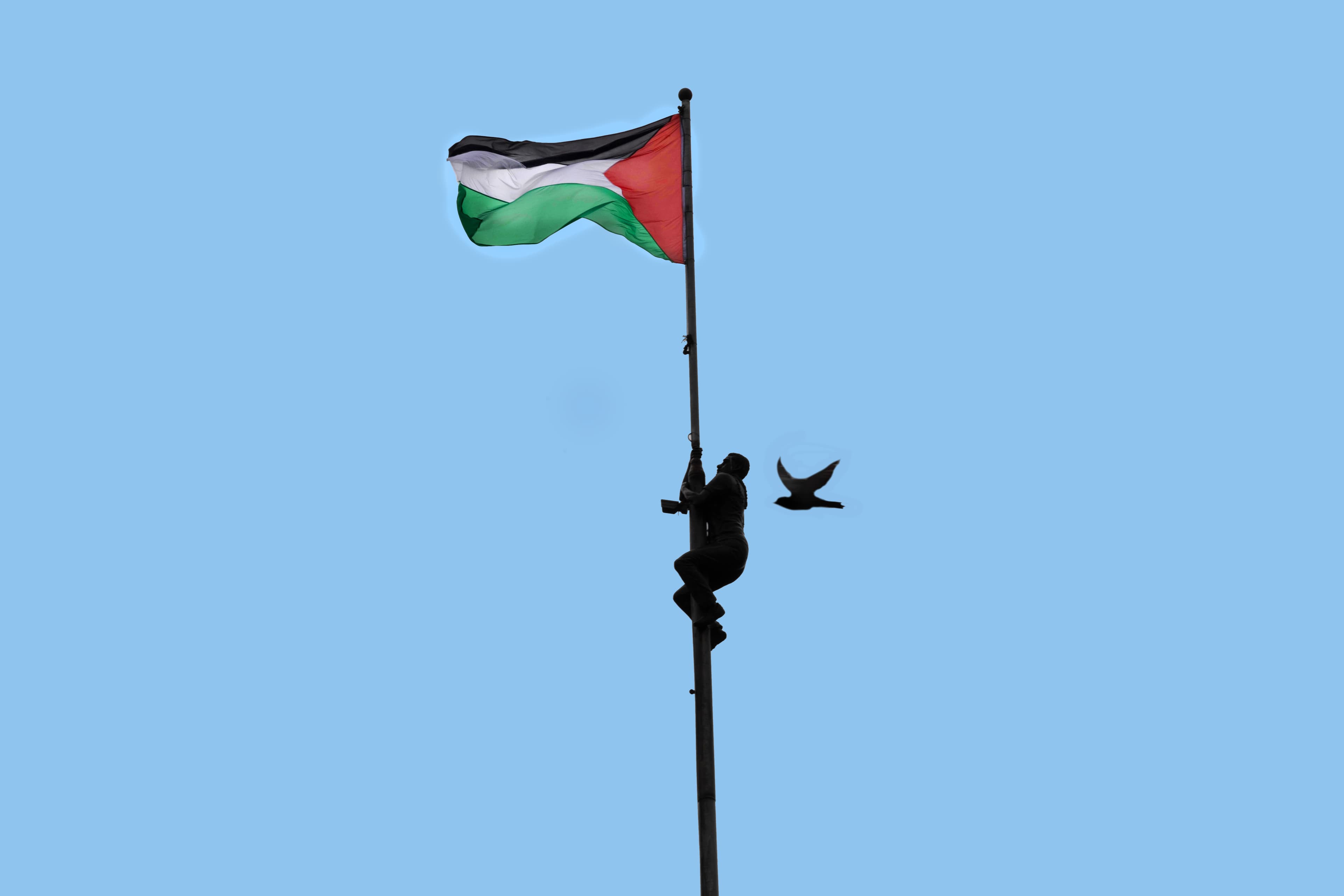
Into this pain comes a political question: Should countries like Australia join the more than 140 UN member states that formally recognise the State of Palestine, as Prime Minister Anthony Albanese today promised Australia will do at the next United Nations General Assembly meeting in September?
Recognition won’t stop the war in Gaza tomorrow. But it may help end the moral paralysis that has allowed mass suffering to become normalised. And it may finally open a political horizon that’s been shut for too long.


Comments5
David Jackson30 September at 09:15 am
Ric, forgive my cynicism, you seem to have forgotten your history. UN Resolution 181 in 1947 divided Palestine in 2. The wars of 1948, 1956, 1967, 1973, Intifadas are about a failure to recognise Israel. Then there are the Oslo Accords and Camp David with Arafat, Rabin, Clinton. Finally Ehud Barak offering 96% of the West Bank, Arafat still said no.
Deborah Stone13 August at 11:54 am
This article is labelled as Opinion- Editor
Ken Hyman12 August at 10:27 am
Throughout you bemoan the fact that the Palestinians have been denied a state. A less informed reader would understand that only Israel was offered a state. The poor Palestinians had to wait until now. There’s no mention anywhere in the article that Palestinians were offered a state in 1948, alongside Israel, which they rejected and have rejected on 4 more occasions in the past 40 years. On terms more favourable that what’s being asked for now.
The PA’s 6 point statement includes the bland description of the following:
• reform school curricula,
• end the prisoner payment system
To better explain to the newcomers, some clarification is required.
“reform the school curriculum” Why not mention the violent antisemitic and pro terrorist content in the UNRWA funded schools. Last year Abbas committed to the UN to reform this. Little evidence yet… but I guess this time will be different.
“end the prisoner payments system” . Why not mention to your readers that this includes payments to parents for their “martyred” sons, who were putting in place what they’d learned at school.
You’re welcome to your views, as am I, but highlight that they are opinions.
Deb Clarke12 August at 07:15 am
Wow! Well said.
Guy Abrahams12 August at 12:52 am
This article is a welcome and clearly articulated call for some moral leadership from the Australian Jewish community. It’s about time supposedly representative bodies such as the Executive Council of Australian Jewry, the Australia/Israel & Jewish Affairs Council, and the Zionist Federation of Australia stopped parroting the Netanyahu government’s talking points and considered for themselves the moral implications of Israel’s actions, because more and more Jews around the world are loudly declaring ‘Not in my name!’